
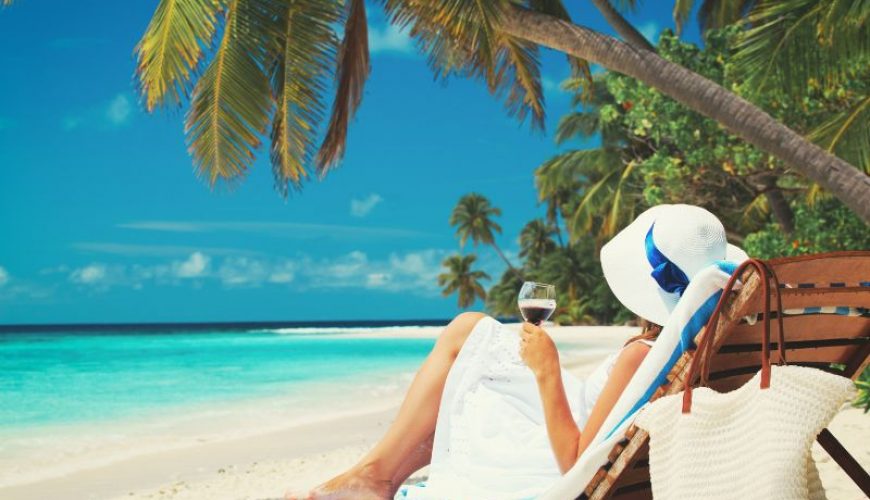
Health, Safety & Insurance for Your Bahamas Adventure
The Bahamas is the kind of place that feels like it was made for dream vacations white-sand beaches, turquoise waters, and endless sunshine. But even in paradise, things don’t always go as planned. Knowing how to stay healthy, avoid safety risks, and protect yourself with the right insurance can turn potential trip disruptions into minor inconveniences. From understanding seasonal weather patterns to knowing where to find medical help, preparation is part of making sure your vacation is smooth and stress-free. Many seasoned travelers even choose the perfect season to visit the Bahamas based on health and safety factors, ensuring a balance between great weather and manageable crowds. I’ve learned from experience that the best memories are made when you’re confident and prepared. Bahamas Health & Safety Landscape Before you pack your swimsuit, it’s important to know how the Bahamas’ healthcare and safety systems work. Nassau and Freeport have well-equipped public hospitals and private clinics with English-speaking staff. However, in the Out Islands, medical facilities can be limited, and critical care may require air evacuation. Emergency response times are generally good on major islands but slower in remote areas. That’s why knowing the nearest clinic, pharmacy, or urgent care location can save valuable time if something happens. Travel Insurance – Your First Layer of Protection If there’s one piece of advice I give to every traveler, it’s this: never skip travel insurance. In the Bahamas, it’s more than a formality, it’s your safety net. Comprehensive coverage should include: During hurricane season, policies that cover weather-related disruptions can make the difference between losing your entire vacation investment and getting a full refund. Medical Preparation Before You Fly Although no vaccinations are required to enter the Bahamas, the CDC recommends being up-to-date on routine vaccines like measles, mumps, rubella, and tetanus. Hepatitis A and typhoid vaccines are also worth considering if you plan to eat local street food. Prescription medications: First-aid kit essentials: Staying Safe in the Water – Beaches, Boating & Beyond The Bahamas is famous for its crystal-clear waters, but that beauty can hide risks. Rip currents can be strong, even near popular beaches. Always check local weather conditions before swimming. Some areas may have jellyfish or sea urchins, so water shoes are a good idea. If you’re arriving by boat or planning to dock during your trip, make sure to research reputable Marinas & Yacht Clubs for safe anchorage, fueling, and local boating regulations. Life jackets are mandatory on all vessels, and local captains are experienced in navigating sudden weather changes. Adventure Safety – Diving, Snorkeling & Watersports Few places rival the Bahamas for underwater adventures, but safety is key to enjoying them. Before booking, confirm that your tour operator is licensed and provides quality safety gear. When enjoying Snorkeling & Scuba Diving in Nassau, follow the buddy system, check your oxygen tanks, and never dive without a surface support crew. Be aware of seasonal weather conditions that can impact visibility and sea currents. If you’re new to watersports, consider taking an introductory lesson. It’s a great way to learn safety basics while building confidence. Road & Transportation Safety in the Bahamas Driving in the Bahamas comes with one major adjustment: vehicles travel on the left side of the road. If you’re renting a car, go slow until you get used to the traffic flow. Road conditions on major islands are generally good, but rural roads may have potholes. Public transportation is limited to local buses (jitneys) in Nassau and Grand Bahama. Taxis are widely available but agree on the fare before starting your trip. Ferries between islands are reliable, but always check schedules in advance. Food & Drink Safety for Visitors Tap water is generally safe to drink in Nassau and Freeport, but in Out Islands, bottled or filtered water is recommended. When it comes to food, stick to reputable restaurants and resorts. Street food can be delicious, but make sure it’s cooked thoroughly and served hot. Seafood lovers should avoid raw shellfish unless they know it’s from a trusted source. Weather & Seasonal Safety Concerns The Bahamas enjoys sunshine most of the year, but weather patterns can impact safety. The hurricane season runs from June to November, with August and September seeing the highest activity. Traveling during this time offers low-season and shoulder-period deals, but it’s essential to monitor weather updates, have flexible plans, and consider insurance that covers weather-related cancellations. Heat exhaustion is another concern. Drink plenty of water, wear lightweight clothing, and take breaks in the shade. Crime & Personal Safety Awareness While most visits to the Bahamas are trouble-free, petty theft and opportunistic crime can occur. Safety tips: Common scams include unofficial taxi services overcharging tourists and fake tour operators. Book excursions through reputable companies or your hotel concierge. Health & Safety for Families and Seniors Traveling with kids or seniors in the Bahamas can be incredibly rewarding, but it does require a bit of extra planning. Choose child-friendly resorts with lifeguards, shaded play areas, and calm-water beaches. These make it easier for parents to relax without constant worry. For seniors, ensure your accommodation has easy access, elevators, and mobility-friendly pathways, especially if you plan on visiting historic sites or waterfront areas. It’s also worth pre-booking private transfers instead of relying on shared transport, as it minimizes wait times and reduces stress for those who may need a slower pace. Consider packing lightweight strollers for toddlers or foldable walking aids for elderly travelers. And don’t forget, when buying insurance, check if it covers pre-existing conditions, includes emergency evacuation, and offers 24/7 multilingual support for peace of mind. Emergency Contacts & Local Resources When you’re in a new country, knowing where to turn in an emergency can save valuable time and stress. The Bahamas has clear, simple emergency numbers, and most major islands have quick-response teams. Still, having these details saved on your phone and printed in your travel documents ensures you’re prepared for anything. Important numbers: Urgent care centers are available in Nassau and
-
BY Naseef Ishat
- August 14, 2025 9:43 am
- no comment
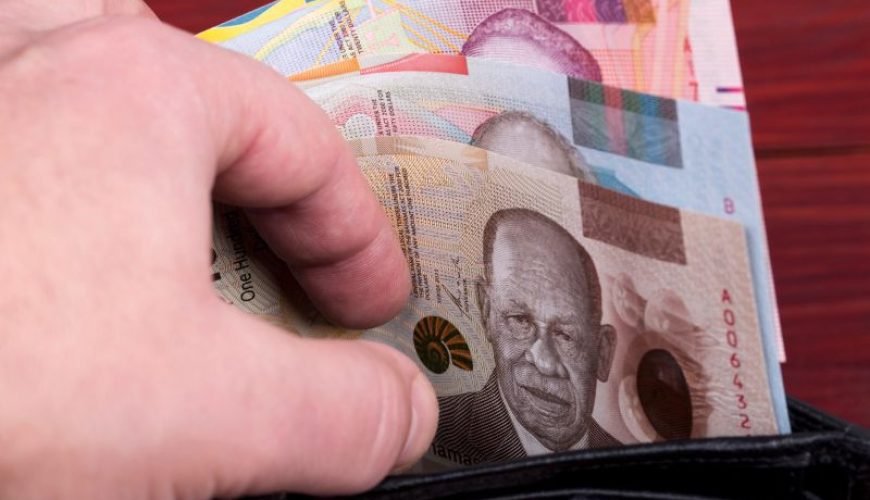
Your Bahamas Travel Budget with Costs & Currency Tips You’ll Actually Use
When I first traveled to the Bahamas, I thought I had my budget figured out until small expenses like bottled water, taxi fares, and service charges started stacking up. On my second visit, I came armed with a clear understanding of the Bahamian Dollar, seasonal pricing, and daily cost breakdowns. The difference? I enjoyed more activities, stayed longer, and still came home under budget. The Bahamas can be an affordable escape or a splurge-worthy luxury trip; it all depends on how you plan. In this guide, I’ll share precise currency information, cost breakdowns, and money-saving strategies so you can make the most of every dollar. Bahamian Dollar & Exchange Rates The Bahamas uses the Bahamian Dollar (BSD), permanently pegged to the U.S. Dollar (USD) at a 1:1 rate. This makes it easy for U.S. travelers not to need to exchange currency, and both BSD and USD are accepted everywhere. Pro tip: If you’re traveling from outside the U.S., exchange money at local banks or ATMs for the best rates. Airport kiosks and hotel desks tend to offer lower value. Carry smaller bills for taxis, markets, and tips, as change in larger notes isn’t always available. Cash vs. Card – Which Works Best? Credit and debit cards are widely accepted in hotels, resorts, and most restaurants, but you’ll still need cash for local markets, family-run shops, and taxis. ATMs are easy to find in Nassau and other main islands, but can be limited in remote areas. Typical ATM withdrawal fee: $3–$5 plus your bank’s fee. In Exuma, for example, I found that a small shop’s internet outage meant my card wouldn’t work. Luckily, I had $40 in cash, which saved me the hassle of returning later. For a smooth trip, carry a mix of payment options and notify your bank before travel to avoid card blocks. Average Daily Costs – Budget, Mid-Range, Luxury Whether you’re backpacking or booking a luxury suite, your daily expenses will vary dramatically. Here’s a realistic breakdown for a mid-range traveler (prices in BSD/USD since they’re equal): Average mid-range traveler total: $250–$350 per day (excluding flights to the Bahamas). If you’re exploring the Bahamas on a low budget, you can comfortably get by on $100/day by staying in budget inns, eating local, and enjoying free beaches. Price Variations by Season – How Timing Impacts Your Budget The same trip can cost you half as much or twice as much, depending on when you visit. Understanding seasonal pricing is one of the easiest ways to control your costs. To save more, plan for quiet-season & shoulder-time savings, you’ll enjoy great weather without the premium price tag. Budget-Friendly Accommodation Strategies Where you stay will be one of your biggest expenses in the Bahamas, so making smart choices here can save you a significant amount over your trip. The good news is that you don’t have to compromise on comfort to stick to your budget. Cost guide: Tips for saving on accommodation: Activities Worth the Price vs. Free or Cheap Fun The Bahamas is full of experiences worth splurging on — but there are also plenty of unforgettable things to do that won’t cost a dime. Balancing the two ensures you get the most out of your budget without missing out on signature island moments. Cost guide for paid activities: Free or low-cost fun: Tips for activity planning: Food & Drink – Eating Well Without Emptying Your Wallet Eating in the Bahamas is one of the greatest pleasures of visiting — but it can also be one of the biggest budget-busters if you’re not prepared. Prices tend to be higher than in the U.S. due to import costs, so knowing where and what to eat makes a big difference. Cost guide: Tips for saving on food & drink: Transportation – Getting Around Without Overspending How you choose to get around in the Bahamas will have a big impact on your daily expenses. While taxis are convenient, they can add up quickly, and inter-island travel has its own costs to consider. Cost guide: Tips for saving on transportation: Hidden & Unexpected Costs Travelers Forget to Plan For It’s the extra, often-overlooked costs that catch most travelers off guard. Planning for them upfront avoids budget surprises. Smart Spending Tips for First-Time Travelers Your first trip to the Bahamas is a chance to soak up sun, sea, and culture — but without some basic money know-how, you could end up spending far more than you planned. This section combines essential currency etiquette with proven cost-saving strategies so you can travel with confidence. Currency Do’s: Currency Don’ts: Money-Saving Tips for First-Time Visitors: Conclusion – Spend Smart, Travel Better Traveling the Bahamas doesn’t have to drain your savings. By understanding the currency system, knowing what things cost, and making smart choices on timing, accommodation, and activities, you can stretch your budget without missing out. On my most recent trip, these strategies let me enjoy a week of island-hopping, snorkeling, and local dining for less than I’d spent on a shorter, less-planned visit before. The secret is balance—splurge where it matters, save where it doesn’t, and you’ll create unforgettable memories without financial regrets.
-
- August 14, 2025 8:12 am
- no comment
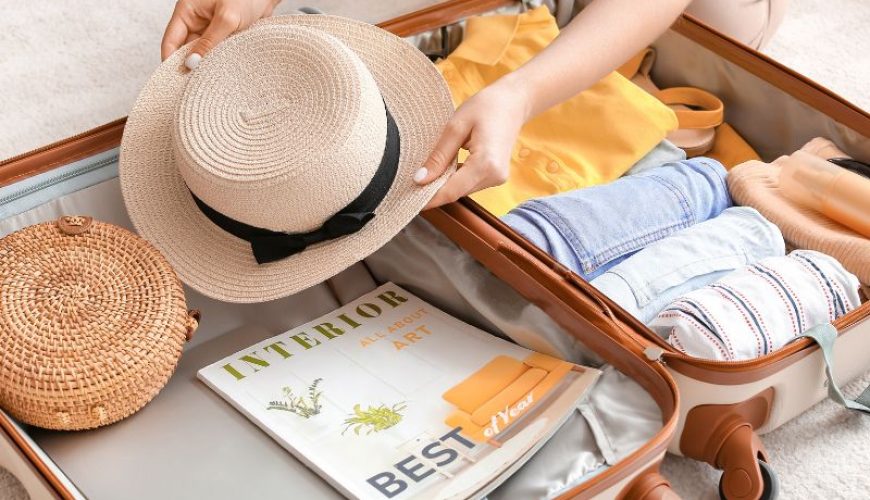
What to Pack and Wear in the Bahamas: The Ultimate Traveler’s Guide
I’ve learned from multiple Bahamas trips that packing well can be the difference between a stress-free vacation and one filled with “I wish I’d brought this” moments. The Bahamas may be known for its postcard-perfect beaches and turquoise waters, but it’s also a place where weather, culture, and activities vary from island to island. Your suitcase should be more than just swimwear; it’s your toolkit for exploring, relaxing, and blending in with local island life. In this guide, I’ll share my complete packing list, dress code tips, and personal tricks that make every day in the Bahamas comfortable, stylish, and ready for adventure. Bahamas Climate and Culture Before You Pack Packing for the Bahamas starts with understanding what you’re walking into literally. The climate is tropical, meaning warm year-round with temperatures averaging between 70°F (21°C) in winter and 88°F (31°C) in summer. Humidity is usually high, and sudden rain showers can appear, especially during the wet season from May to October. Culturally, the Bahamas is relaxed yet respectful. Beachwear is perfect for resorts and coastlines, but in towns, markets, or churches, modest clothing is expected. If you’re wondering when to pack, the perfect months to visit the Bahamas are generally December through April, when the weather is drier and temperatures are pleasant, perfect for both exploring and lounging. Essential Clothing for a Bahamas Trip From sun-soaked beach days to elegant island nights, here’s how I dress for every scenario. Lightweight and Breathable Daywear Think natural fabrics like cotton and linen, or quick-dry synthetics for active days. Light-colored t-shirts, tank tops, and airy dresses are perfect for staying cool. I always pack at least three versatile tops and two pairs of lightweight shorts. Swimwear and Beach Cover-ups You’ll practically live in swimwear here. Bring at least two swimsuits so one can dry while you wear the other. Pair with kaftans, sarongs, or beach dresses when heading to resort restaurants or bars. Evening & Resort Wear Bahamians love to dress up for a night out, and so do the resorts. I pack at least one maxi dress, a pair of tailored shorts, and a smart-casual shirt for sunset cocktails and dining. Special Occasion Outfits If you’re attending a wedding or taking professional photos, bring something elegant yet island-appropriate floral prints, flowing fabrics, or crisp white linen work beautifully. Dress Code Tips for Different Occasions in the Bahamas The Bahamas is casual at heart, but different settings call for different attire. Beach & Pool Etiquette Swimwear is perfect for beaches and pools, but cover up when leaving those areas. Resorts appreciate guests who follow this unwritten rule. Town & Market Visits When exploring Nassau or local markets, I go for knee-length shorts, sundresses, or light pants with a breathable top. It shows respect and keeps you comfortable. Luxury Resorts & Fine Dining Upscale resorts often have evening dress codes, collared shirts for men, sundresses or chic jumpsuits for women. Flip-flops usually aren’t allowed. Cultural & Religious Sites When visiting churches or cultural centers, cover shoulders and knees. I carry a light scarf for this reason, it’s an easy, space-saving solution. Complete Packing List for Your Bahamas Trip This is my refined list after multiple visits. Each time, I’ve learned something new. Clothing Checklist Footwear Essentials Accessories Beach & Water Gear Electronics & Travel Gadgets Personal Care & Toiletries Health & Safety Kit Packing for Activities and Excursions Your adventures will shape your suitcase. Planning a snorkeling trip? Bring a rash guard and water shoes. Heading out for a hike in Eleuthera? Lightweight long pants and closed shoes will help protect you from brush and insects. When planning must-do activities in the Bahamas, think about clothing that transitions easily from activity to relaxation, like breathable fabrics that dry quickly after a boat ride. Budget-Friendly Packing Tips If you’re traveling on a budget, you don’t need to spend a fortune to look great on the islands. I often buy breathable summer clothing from affordable brands before the trip, and I rent snorkeling gear instead of buying. You can also make smart use of multi-functional pieces; a sarong doubles as a beach cover-up and picnic blanket. This is especially useful for travelers seeking a low-cost Bahamas getaway. Special Considerations for Families & Groups Packing for others can be tricky. For kids, I pack extra swimsuits and hats because they dry slowly and tend to get sandy fast. For seniors, lightweight layers are key for comfort in air-conditioned areas. When traveling in a group, I recommend coordinating colors for photos, which makes vacation pictures look cohesive. If you haven’t booked yet, now’s a great time to Book Accommodation in the Bahamas that suits your group size and style. Final Touches: Style Meets Comfort The Bahamas is all about relaxed elegance. Even casual outfits can be elevated with the right accessories, think shell necklaces or handmade straw bags from local artisans. Plus, choosing locally made items supports the community. And remember, if you’re planning excursions, you can Book Activities in the Bahamas ahead of time so you can pack accordingly. Quick Packing Mistakes to Avoid Conclusion – Your Bahamas Packing Confidence Packing for the Bahamas is as much about the experience as the essentials. With the right balance of comfort, respect for local customs, and readiness for adventure, you’ll blend into island life beautifully. After years of visiting, I can confidently say—less is more, but the right “less” makes all the difference. So zip up your bag, and get ready to step into paradise.
-
- August 13, 2025 8:32 am
- no comment
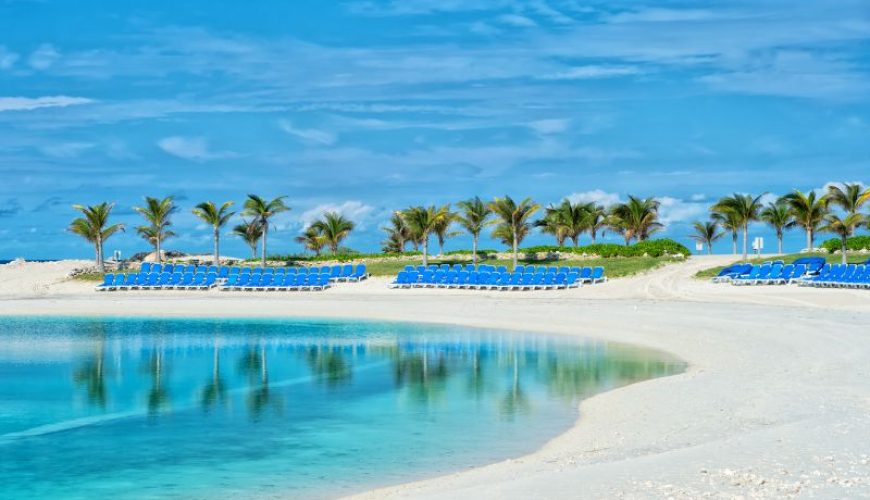
Best Time to Visit the Bahamas and How to Navigate Hurricane Season
Every time I return from the Bahamas, friends ask me the same thing: when’s the best time to go? My answer isn’t one-size-fits-all because timing your trip is about more than just sunny skies. It’s about balancing weather, crowds, prices, and even the possibility of tropical storms. If you’re planning your dream escape to the Bahamas from the U.S., understanding the climate, tourist seasons, and hurricane risks will help you choose your perfect travel window. After years of visiting during both the busiest and quietest months, I’ve learned that timing can completely change your experience, whether you’re craving endless beach days, want to stretch your budget, or plan to explore the islands like a local. Bahamas Climate and Seasons Whenever I plan a Caribbean trip, I start by looking at the climate calendar. The Bahamas, located just north of the Caribbean Sea, has a tropical marine climate with warm weather year-round. The year divides into two main seasons: Because the Bahamas sits within the Atlantic hurricane basin, hurricane season runs from June through November. While direct hits are rare, storm systems can bring heavy rains, high winds, and occasional disruptions. That’s why knowing both the wet and dry patterns matters before you book. Peak Season: Why It’s Popular (December to April) From December through April, the Bahamas enjoys its most picture-perfect weather. Think warm days averaging 75–80°F, low humidity, and calm turquoise waters. This is when travelers from colder U.S. states flock to escape winter chills. Why travelers love it: What to keep in mind: If your budget allows, peak season offers peace of mind for weather reliability. But if you’re willing to trade guaranteed sun for better prices, Off-season & shoulder-season savings guide for some smart alternatives. Shoulder Season: May to June and Late November to Early December I’ve always found these months to be the perfect balance—pleasant weather, smaller crowds, and lower prices. You might get the occasional rain shower, but storms are less frequent compared to the peak hurricane months. It’s an ideal time for couples and solo travelers looking for a calmer vibe. Benefits: Off-Season: July to Early November This is the Bahamas’ quietest period, and also its warmest and most humid. It overlaps with the heart of hurricane season, so the risk of storms is higher. That’s why I never book this period without considering Health, safety & insurance coverage. On the upside, hotel and flight deals can be incredible, and you’ll find beaches and attractions blissfully uncrowded. Benefits: Navigating Hurricane Season Safely Hurricane season runs from June 1 to November 30, with the highest activity from mid-August to October. The Bahamas has excellent storm monitoring and preparedness systems, but travelers should take some extra precautions. My top hurricane-season tips: Traveling during hurricane season can be safe if you stay flexible and informed—it’s not just about the risk, but how prepared you are. Best Months Overall: Month-by-Month Guide Here’s my quick-glance breakdown of what each month offers: January – Mild, dry, perfect for outdoor activities. High season pricing.February – Similar to January, slightly warmer water. Great for diving.March – Warm, busy with spring breakers. Book early.April – Warm, fewer crowds than March. Excellent for families.May – Beginning of shoulder season. Warm with light showers.June – Warm and humid, occasional showers, great deals.July – Hot and humid, quiet beaches, higher storm risk.August – Peak hurricane activity, but amazing discounts.September – Stormiest month historically, but fewest tourists and lowest rates.October – Risk of storms continues, but weather improves late month.November – Early part is off-season; late November is shoulder season.December – Early month offers good deals; holiday weeks are high season. Quick fact: People often ask, “Is September a bad time to visit the Bahamas?” My answer: If you’re looking for rock-bottom prices and are flexible with your plans, it can be a hidden gem. But yes, the chance of rain or storms is higher. Budgeting for Your Bahamas Trip for the Season Your travel season will heavily influence how much you spend in the Bahamas. During peak season (December–April), expect to budget around $250–$400 per person per day for mid-range travel. This covers comfortable accommodation, a few activities, and dining out. Shoulder season (May–June, late November–early December) offers better value, averaging $180–$300 daily with fewer crowds and more flexible booking options. The off-season (July–early November) can drop costs to $100–$200 per day Choosing the Right Accommodation for Your Season The Bahamas can fit a range of budgets, but timing is everything. Traveling in peak season (December–April) means sunny, dry weather but also the highest costs. The hotels and flights can be 40–60% more expensive than in other months. Shoulder season (May–June, late November–early December) offers a sweet spot with pleasant weather and prices about 20–35% lower. Off-season (July–early November) has the best deals. Sometimes half-price, but it falls during hurricane season. Families traveling in summer or over school holidays should look into Family friendly resort in the Bahamas options, which often run special packages in off-peak months. Activities That Shine in Every Season The Bahamas offers year-round fun, but certain experiences are even better when timed right. If you’re planning excursions ahead of time, you can Book activities and experiences in the Bahamas before you arrive to secure spots for popular tours. Insider Tips from a Seasoned Traveler Over multiple visits, I’ve picked up small but impactful habits that make a Bahamas trip smoother and more enjoyable. Final Takeaway The best time to visit the Bahamas really depends on your priorities. For perfect weather and lively energy, December to April is unbeatable. For smaller crowds and better deals, May, June, and late November shine. If you’re seeking the biggest savings and don’t mind rolling the dice with the weather, July through early November can work, just plan smart and stay insured. Your Bahamas trip should be about what matters most to you: sun-drenched days, peaceful beaches, cultural experiences, or value for money. Once you know your season, everything else falls into place.
-
- August 12, 2025 7:58 am
- no comment
