
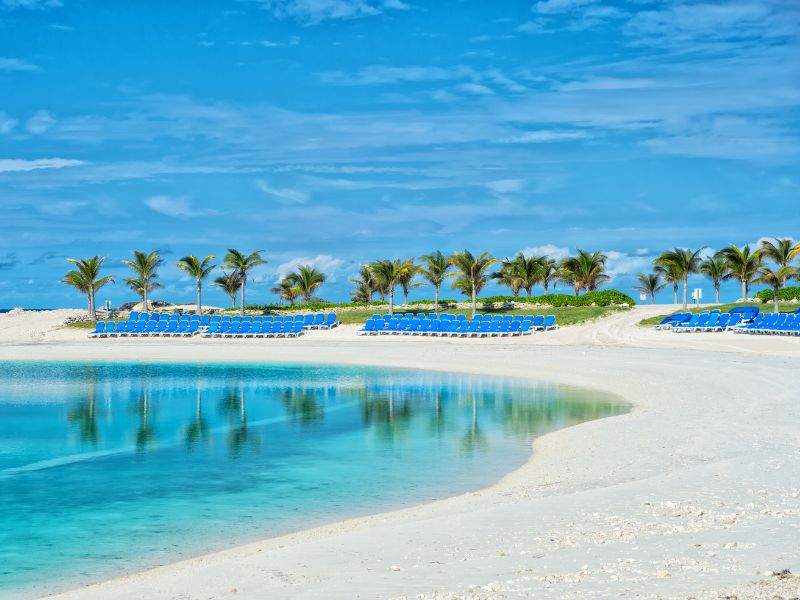

Every time I return from the Bahamas, friends ask me the same thing: when’s the best time to go? My answer isn’t one-size-fits-all because timing your trip is about more than just sunny skies. It’s about balancing weather, crowds, prices, and even the possibility of tropical storms. If you’re planning your dream escape to the Bahamas from the U.S., understanding the climate, tourist seasons, and hurricane risks will help you choose your perfect travel window.
After years of visiting during both the busiest and quietest months, I’ve learned that timing can completely change your experience, whether you’re craving endless beach days, want to stretch your budget, or plan to explore the islands like a local.
Bahamas Climate and Seasons
Whenever I plan a Caribbean trip, I start by looking at the climate calendar. The Bahamas, located just north of the Caribbean Sea, has a tropical marine climate with warm weather year-round.
The year divides into two main seasons:
- Dry Season (December to April) — Cooler, less humid, sunny skies, and low rainfall.
- Wet Season (May to November) — Warmer, higher humidity, more frequent rain, and the potential for tropical storms.
Because the Bahamas sits within the Atlantic hurricane basin, hurricane season runs from June through November. While direct hits are rare, storm systems can bring heavy rains, high winds, and occasional disruptions. That’s why knowing both the wet and dry patterns matters before you book.
Peak Season: Why It’s Popular (December to April)
From December through April, the Bahamas enjoys its most picture-perfect weather. Think warm days averaging 75–80°F, low humidity, and calm turquoise waters. This is when travelers from colder U.S. states flock to escape winter chills.
Why travelers love it:
- Consistently sunny skies
- Excellent conditions for snorkeling, diving, and boating
- Major events like Junkanoo (late December)
- Great window for multi-island trips like my 5-day island-hopping route, which lets you see the Bahamas beyond the typical tourist spots
What to keep in mind:
- Prices are at their highest both for flights and hotels
- Resorts and beaches can be busy, especially around Christmas, New Year’s, and spring break
If your budget allows, peak season offers peace of mind for weather reliability. But if you’re willing to trade guaranteed sun for better prices, Off-season & shoulder-season savings guide for some smart alternatives.
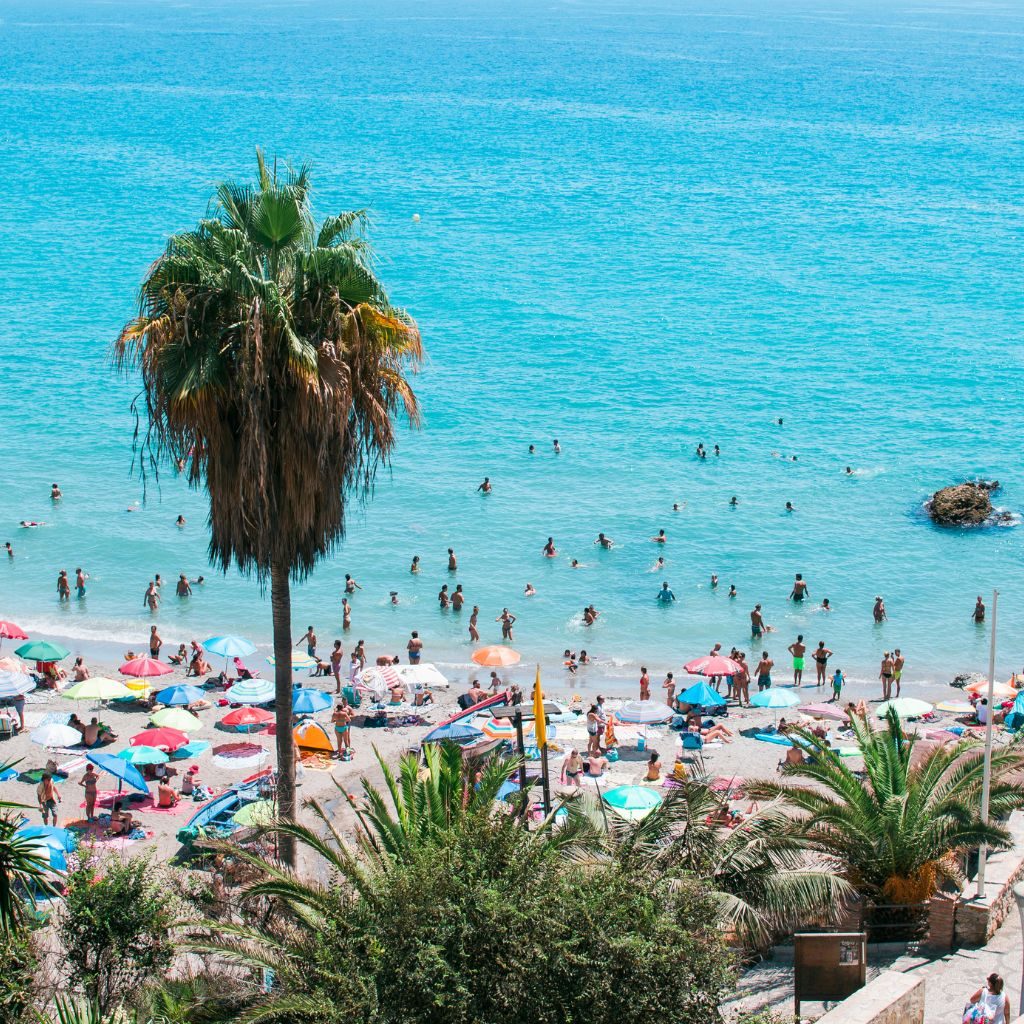
Shoulder Season: May to June and Late November to Early December
I’ve always found these months to be the perfect balance—pleasant weather, smaller crowds, and lower prices. You might get the occasional rain shower, but storms are less frequent compared to the peak hurricane months. It’s an ideal time for couples and solo travelers looking for a calmer vibe.
Benefits:
- Lower accommodation and flight costs
- More availability at top resorts and boutique hotels
- Good weather for water activities and sightseeing
Off-Season: July to Early November
This is the Bahamas’ quietest period, and also its warmest and most humid. It overlaps with the heart of hurricane season, so the risk of storms is higher. That’s why I never book this period without considering Health, safety & insurance coverage. On the upside, hotel and flight deals can be incredible, and you’ll find beaches and attractions blissfully uncrowded.
Benefits:
- Deepest discounts of the year
- Plenty of last-minute booking options
- Authentic local experiences with fewer tourists around
Navigating Hurricane Season Safely
Hurricane season runs from June 1 to November 30, with the highest activity from mid-August to October. The Bahamas has excellent storm monitoring and preparedness systems, but travelers should take some extra precautions.
My top hurricane-season tips:
- Stay informed: Use reliable weather apps like Windy or the National Hurricane Center
- Book flexible: Choose hotels and flights with free cancellation or rescheduling
- Insure your trip: Policies that include coverage for weather-related cancellations are essential
- Plan alternative activities: Indoor museums, cultural tours, and local dining spots can keep your trip enjoyable even if outdoor plans change
Traveling during hurricane season can be safe if you stay flexible and informed—it’s not just about the risk, but how prepared you are.

Best Months Overall: Month-by-Month Guide
Here’s my quick-glance breakdown of what each month offers:
January – Mild, dry, perfect for outdoor activities. High season pricing.
February – Similar to January, slightly warmer water. Great for diving.
March – Warm, busy with spring breakers. Book early.
April – Warm, fewer crowds than March. Excellent for families.
May – Beginning of shoulder season. Warm with light showers.
June – Warm and humid, occasional showers, great deals.
July – Hot and humid, quiet beaches, higher storm risk.
August – Peak hurricane activity, but amazing discounts.
September – Stormiest month historically, but fewest tourists and lowest rates.
October – Risk of storms continues, but weather improves late month.
November – Early part is off-season; late November is shoulder season.
December – Early month offers good deals; holiday weeks are high season.
Quick fact: People often ask, “Is September a bad time to visit the Bahamas?” My answer: If you’re looking for rock-bottom prices and are flexible with your plans, it can be a hidden gem. But yes, the chance of rain or storms is higher.
Budgeting for Your Bahamas Trip for the Season
Your travel season will heavily influence how much you spend in the Bahamas. During peak season (December–April), expect to budget around $250–$400 per person per day for mid-range travel. This covers comfortable accommodation, a few activities, and dining out.
Shoulder season (May–June, late November–early December) offers better value, averaging $180–$300 daily with fewer crowds and more flexible booking options.
The off-season (July–early November) can drop costs to $100–$200 per day
Choosing the Right Accommodation for Your Season
The Bahamas can fit a range of budgets, but timing is everything. Traveling in peak season (December–April) means sunny, dry weather but also the highest costs. The hotels and flights can be 40–60% more expensive than in other months.
Shoulder season (May–June, late November–early December) offers a sweet spot with pleasant weather and prices about 20–35% lower.
Off-season (July–early November) has the best deals. Sometimes half-price, but it falls during hurricane season. Families traveling in summer or over school holidays should look into Family friendly resort in the Bahamas options, which often run special packages in off-peak months.

Activities That Shine in Every Season
The Bahamas offers year-round fun, but certain experiences are even better when timed right.
- Calm-season (winter to spring): Snorkeling, diving, boat charters
- Warm-season (summer to fall): Fishing, cultural festivals, inland exploration
- Year-round: Beaches, shopping, local cuisine
If you’re planning excursions ahead of time, you can Book activities and experiences in the Bahamas before you arrive to secure spots for popular tours.
Insider Tips from a Seasoned Traveler
Over multiple visits, I’ve picked up small but impactful habits that make a Bahamas trip smoother and more enjoyable.
- Travel light and follow the Packing list & dress code guide to avoid overpacking.
- Book early morning excursions for calmer seas and better visibility.
- Carry a lightweight rain jacket, especially in wet months.
- Keep some cash handy for taxis, tips, and local vendors.
- Check local event calendars for regattas or festivals to experience authentic island culture.
- Review Health, safety & insurance before booking off-season travel.
Final Takeaway
The best time to visit the Bahamas really depends on your priorities. For perfect weather and lively energy, December to April is unbeatable. For smaller crowds and better deals, May, June, and late November shine. If you’re seeking the biggest savings and don’t mind rolling the dice with the weather, July through early November can work, just plan smart and stay insured.
Your Bahamas trip should be about what matters most to you: sun-drenched days, peaceful beaches, cultural experiences, or value for money. Once you know your season, everything else falls into place.

0 Comment