
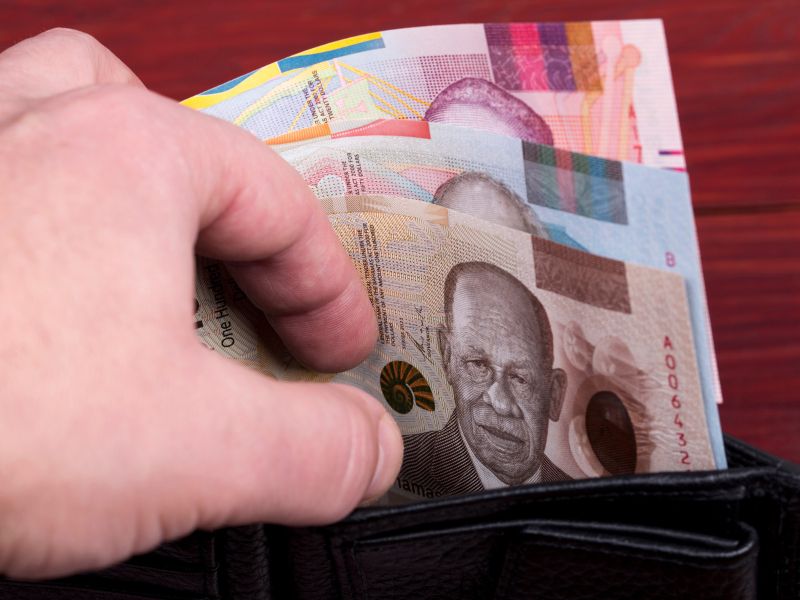

When I first traveled to the Bahamas, I thought I had my budget figured out until small expenses like bottled water, taxi fares, and service charges started stacking up. On my second visit, I came armed with a clear understanding of the Bahamian Dollar, seasonal pricing, and daily cost breakdowns. The difference? I enjoyed more activities, stayed longer, and still came home under budget.
The Bahamas can be an affordable escape or a splurge-worthy luxury trip; it all depends on how you plan. In this guide, I’ll share precise currency information, cost breakdowns, and money-saving strategies so you can make the most of every dollar.
Bahamian Dollar & Exchange Rates
The Bahamas uses the Bahamian Dollar (BSD), permanently pegged to the U.S. Dollar (USD) at a 1:1 rate. This makes it easy for U.S. travelers not to need to exchange currency, and both BSD and USD are accepted everywhere.
Pro tip: If you’re traveling from outside the U.S., exchange money at local banks or ATMs for the best rates.
Airport kiosks and hotel desks tend to offer lower value. Carry smaller bills for taxis, markets, and tips, as change in larger notes isn’t always available.
Cash vs. Card – Which Works Best?
Credit and debit cards are widely accepted in hotels, resorts, and most restaurants, but you’ll still need cash for local markets, family-run shops, and taxis. ATMs are easy to find in Nassau and other main islands, but can be limited in remote areas.
Typical ATM withdrawal fee: $3–$5 plus your bank’s fee.
In Exuma, for example, I found that a small shop’s internet outage meant my card wouldn’t work. Luckily, I had $40 in cash, which saved me the hassle of returning later. For a smooth trip, carry a mix of payment options and notify your bank before travel to avoid card blocks.
Average Daily Costs – Budget, Mid-Range, Luxury
Whether you’re backpacking or booking a luxury suite, your daily expenses will vary dramatically.
Here’s a realistic breakdown for a mid-range traveler (prices in BSD/USD since they’re equal):
- Accommodation:
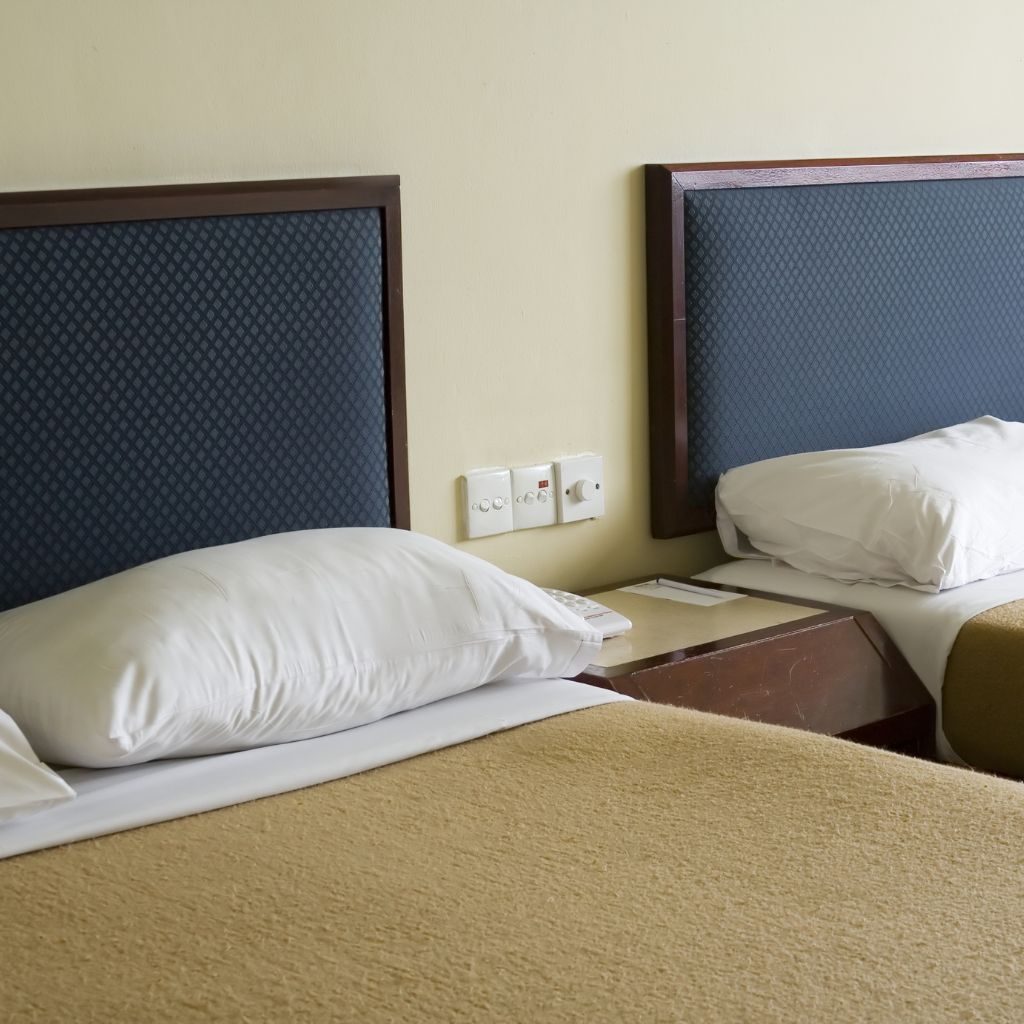
- Budget guesthouse: $90–$150 per night
- Mid-range hotel: $180–$300 per night
- Luxury resort: $500+ per night
- Food & Drinks:
- Local breakfast: $8–$15
- Lunch at a casual spot: $15–$25
- Dinner in a mid-range restaurant: $30–$60
- Cocktails: $10–$15
- Transportation:
- Short taxi ride: $12–$20
- Rental car: $70–$100/day
- Domestic flights: $120–$180 one-way
- Activities:
- Day tour (e.g., Exuma pigs, snorkeling): $150–$250
- Museum entry: $5–$12
Average mid-range traveler total: $250–$350 per day (excluding flights to the Bahamas).
If you’re exploring the Bahamas on a low budget, you can comfortably get by on $100/day by staying in budget inns, eating local, and enjoying free beaches.
Price Variations by Season – How Timing Impacts Your Budget
The same trip can cost you half as much or twice as much, depending on when you visit. Understanding seasonal pricing is one of the easiest ways to control your costs.
- Peak Season (Dec–Apr): Expect the highest prices, especially on Nassau and Paradise Island. Even budget hotels can cost 40–60% more than in off-season.
- Shoulder Season (May–June, Late Nov–Early Dec): Flights and hotels are 20–35% cheaper than peak months. This is my favorite. The weather’s still great, and you can score deals.
- Off-Season (July–Early Nov): Deepest discounts of the year, sometimes up to 50% off accommodations and flights, but plan for wellness, safety, and trip insurance in case of storm disruptions.
To save more, plan for quiet-season & shoulder-time savings, you’ll enjoy great weather without the premium price tag.
Budget-Friendly Accommodation Strategies
Where you stay will be one of your biggest expenses in the Bahamas, so making smart choices here can save you a significant amount over your trip. The good news is that you don’t have to compromise on comfort to stick to your budget.
Cost guide:
- Budget guesthouses & inns: $90–$150/night
- Mid-range hotels: $180–$300/night
- Luxury resorts: $500+/night
Tips for saving on accommodation:
- Book early, especially for peak season, to lock in lower rates.
- Consider locally-owned inns and guesthouses for authentic experiences at a fraction of resort prices.
- Look for package deals that include meals or activities — these often offer great value.
- Travel during shoulder season when prices drop but the weather is still pleasant.
- For vetted affordable stays, you can Book Budget Hotels and Inns in Bahamas through trusted platforms.
Activities Worth the Price vs. Free or Cheap Fun
The Bahamas is full of experiences worth splurging on — but there are also plenty of unforgettable things to do that won’t cost a dime. Balancing the two ensures you get the most out of your budget without missing out on signature island moments.
Cost guide for paid activities:
- Swimming with pigs (Exuma): $150–$250
- Scuba diving or snorkeling trips: $120–$200
- Fishing charters: $250+ per half day
- National park entry: $5–$12
Free or low-cost fun:
- Relax on stunning public beaches like Cabbage Beach or Pink Sands Beach.
- Browse local markets for colorful crafts and fresh produce.
- Attend community events or cultural festivals for authentic island vibes.
Tips for activity planning:
- For curated options, you can Book Beach & Leisure Activities in the Bahamas that match your style and spending plan.
- Prioritize one or two big-ticket experiences that truly matter to you.
- Mix in free days at the beach to balance your budget.
- Book directly with operators or through local tourism offices for better rates.

Food & Drink – Eating Well Without Emptying Your Wallet
Eating in the Bahamas is one of the greatest pleasures of visiting — but it can also be one of the biggest budget-busters if you’re not prepared. Prices tend to be higher than in the U.S. due to import costs, so knowing where and what to eat makes a big difference.
Cost guide:
- Local breakfast at a cafe: $8–$15
- Lunch at a casual eatery: $15–$25
- Dinner at mid-range restaurant: $30–$60
- Cocktails: $10–$15, local beer: $5–$7
Tips for saving on food & drink:
- Eat where the locals eat — try the Arawak Cay “Fish Fry” in Nassau or roadside conch salad stands.
- Look for lunch specials, which can be half the price of dinner.
- If you have a kitchen in your accommodation, buy groceries and prepare some meals yourself.
- Support small family-run eateries for authentic flavors at better prices.
Transportation – Getting Around Without Overspending
How you choose to get around in the Bahamas will have a big impact on your daily expenses. While taxis are convenient, they can add up quickly, and inter-island travel has its own costs to consider.
Cost guide:
- Short taxi ride: $12–$20
- Airport to downtown Nassau: $35–$40
- Rental car: $70–$100/day
- Domestic flights: $120–$180 one-way
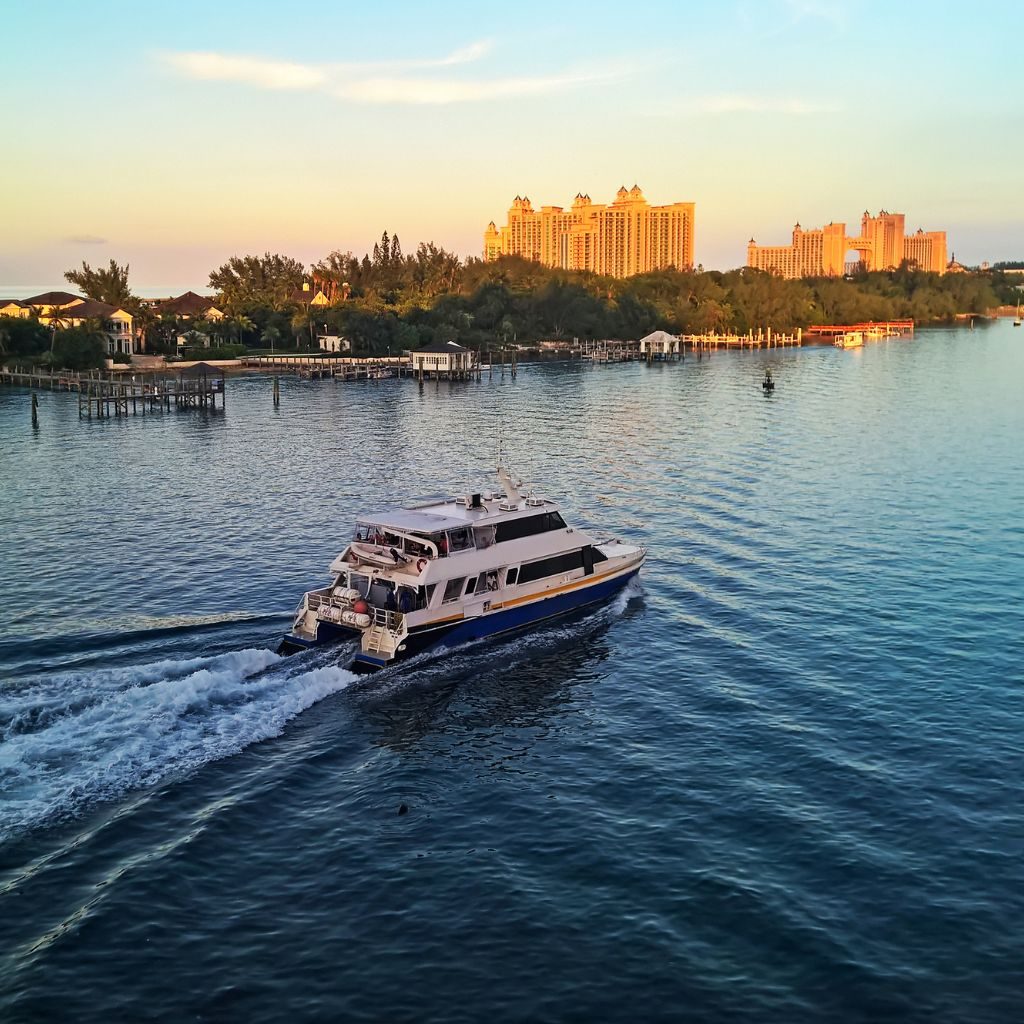
- Ferries: $40–$80 one-way depending on distance
Tips for saving on transportation:
- Share taxis with other travelers, especially to and from airports.
- Use public ferries instead of flights when possible for nearby islands.
- Walk or rent a bike in smaller towns to avoid short taxi fares.
- Compare prices between local rental companies and international chains before booking a car.
Hidden & Unexpected Costs Travelers Forget to Plan For
It’s the extra, often-overlooked costs that catch most travelers off guard. Planning for them upfront avoids budget surprises.
- 12% VAT on goods/services
- 15% service charge at many restaurants
- Inter-island transport fees
- Resort fees ($20–$60/night)
- Tipping (15–20%)
Smart Spending Tips for First-Time Travelers
Your first trip to the Bahamas is a chance to soak up sun, sea, and culture — but without some basic money know-how, you could end up spending far more than you planned. This section combines essential currency etiquette with proven cost-saving strategies so you can travel with confidence.
Currency Do’s:
- Carry a mix of cash and cards — cash for taxis, tips, and markets; cards for hotels and larger purchases.
- Check if a service charge is already added to your restaurant bill before tipping extra.
- Keep small bills for everyday transactions; they’re more practical than large notes.
Currency Don’ts:
- Exchange currency at the airport — rates are less favorable than in banks or ATMs.
- Rely solely on credit cards, especially in the Out Islands where cash is still preferred.
- Assume U.S. coins are accepted — they’re generally not.
Money-Saving Tips for First-Time Visitors:
- Book accommodations that include breakfast to save on daily food expenses.
- Eat at local spots like the Arawak Cay Fish Fry for delicious, budget-friendly meals.
- Plan and book inter-island travel early to secure lower fares.
- Take public ferries or shared taxis when possible instead of private transfers.
- Make time for free activities like beach days, local markets, and cultural festivals.
- Travel in the shoulder season to enjoy the Bahamas without sacrificing good weather.
Conclusion – Spend Smart, Travel Better
Traveling the Bahamas doesn’t have to drain your savings. By understanding the currency system, knowing what things cost, and making smart choices on timing, accommodation, and activities, you can stretch your budget without missing out.
On my most recent trip, these strategies let me enjoy a week of island-hopping, snorkeling, and local dining for less than I’d spent on a shorter, less-planned visit before. The secret is balance—splurge where it matters, save where it doesn’t, and you’ll create unforgettable memories without financial regrets.

0 Comment