
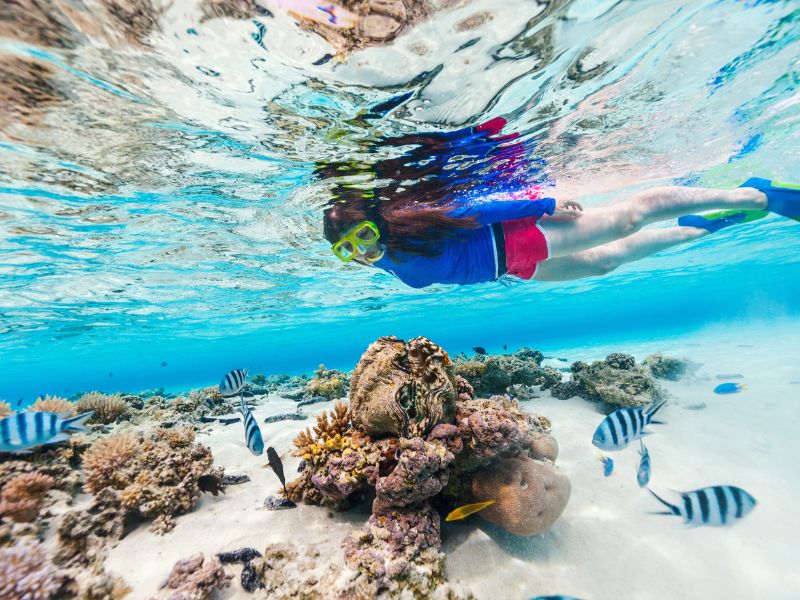

If you love warm, crystal-clear water, effortless boat days, and reefs that feel like open-air museums, the Bahamas belongs on your shortlist. Visibility regularly pushes past 100 feet, water temps hover between the mid-70s and mid-80s °F, and the archipelago strings together shallow coral gardens, dramatic walls, blue holes, playful turtles, and photogenic wrecks.
I’ve hopped islands here more times than I can count, and each trip reminds me how beginner-friendly and yet endlessly deep the underwater scene can be. In this guide, I’ll show you how to pair your goals (sharks, wrecks, or tranquil snorkeling) with the right island and season, plus smart safety and packing moves that make the difference between a good day and a great one.
Quick curiosity: Is there really a place where you can snorkel a sculpture garden and dive with reef sharks in the same weekend?
Answer: Yes—Nassau/New Providence makes that combo surprisingly simple, and I’ll map it out below.
How to Choose Your Island (and Site) Like a Pro
Picking a base in the Bahamas is about matching your comfort level and wish list to local conditions. Some islands offer gentle, beach-entry reefs perfect for families; others deliver walls, drift dives, and pelagic thrills.
Start with your goals:
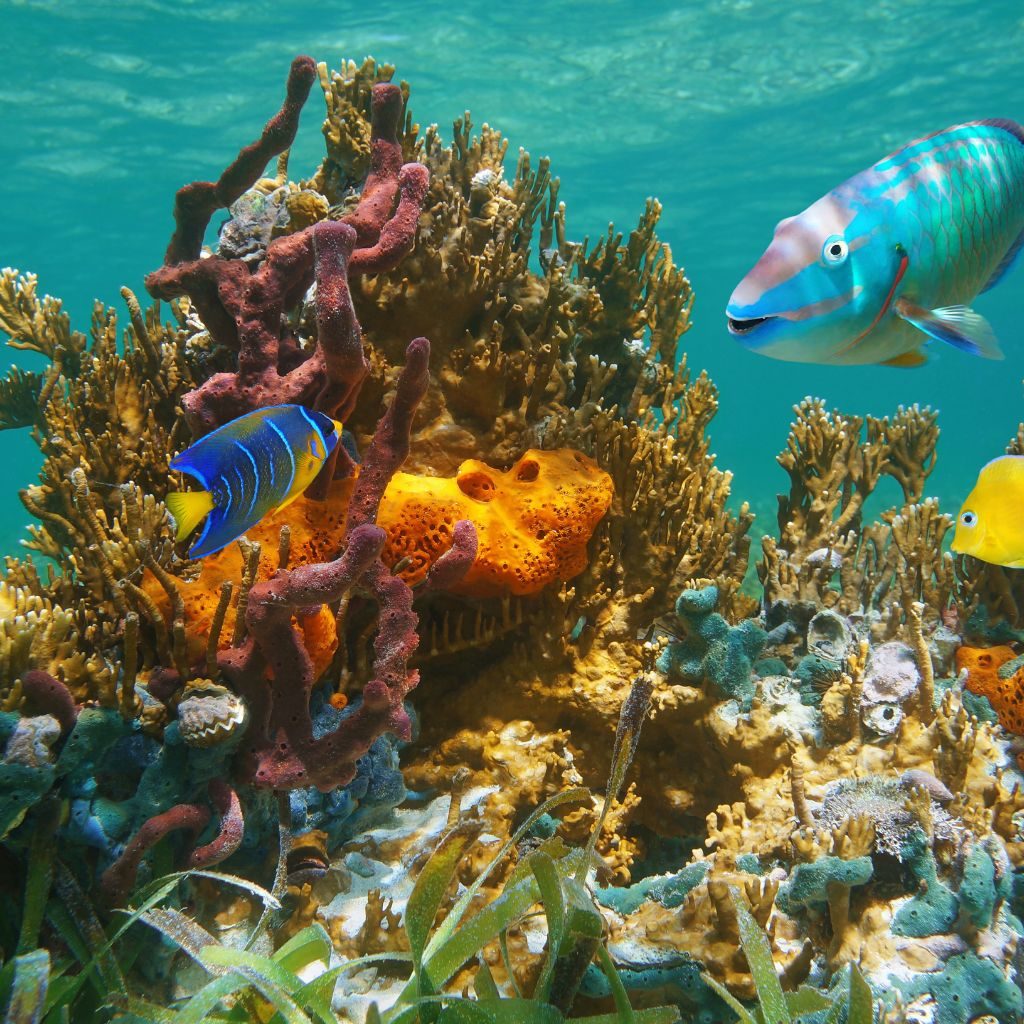
- Easy coral gardens: Calm coves with sandy entries, shallow patch reefs (8–20 ft), and friendly reef fish like sergeant majors, parrotfish, and angelfish.
- Wrecks & artificial reefs: Photogenic hulls with sponge growth and schooling grunts; some are snorkel-depth (e.g., SS Sapona), others favor advanced divers.
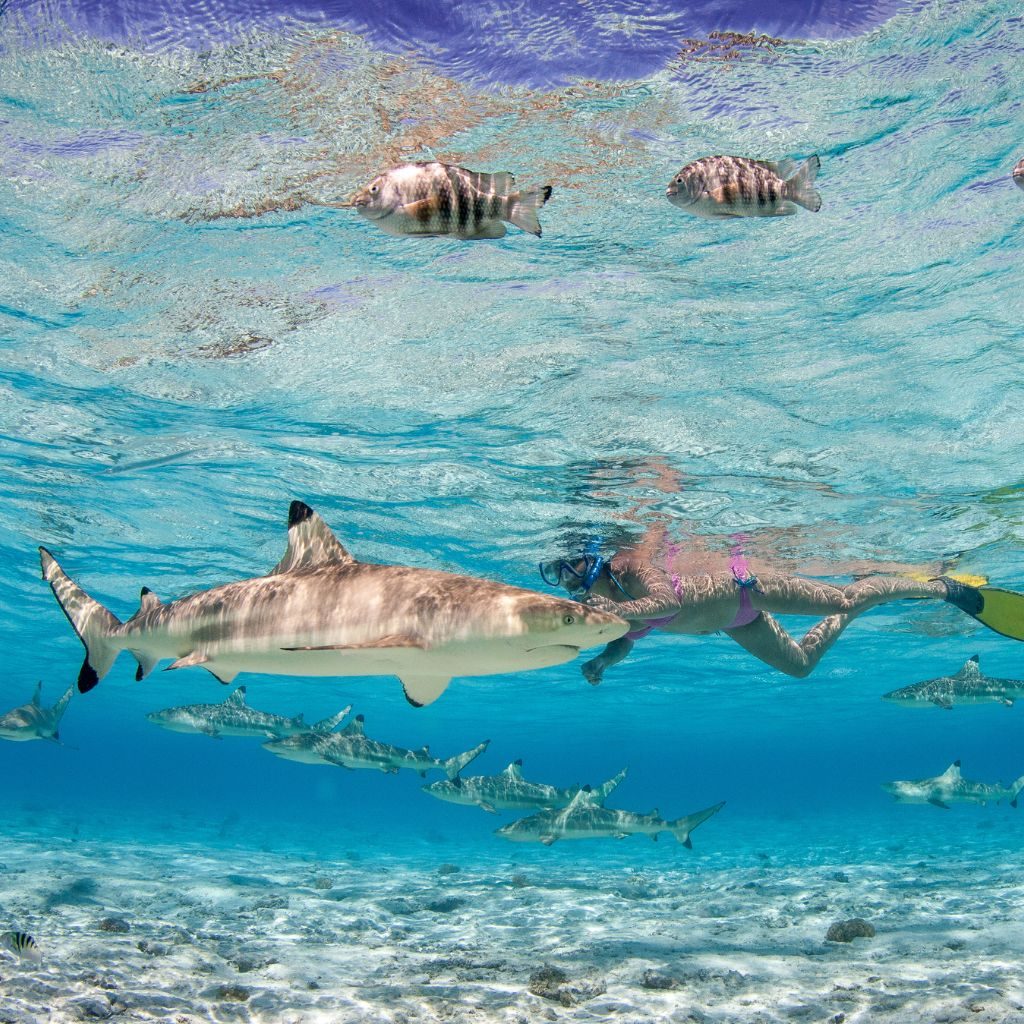
- Shark encounters: Controlled, operator-led experiences with Caribbean reef sharks (Nassau) and seasonal great hammerheads (Bimini).
- Walls & drifts: Blue-water drop-offs along the Tongue of the Ocean and out-island walls—stunning for experienced divers.
- Blue holes & caverns: Specialty sites (Andros, Long Island) that require training and conservative planning.
Operator reality check: Look for safety briefings, small ratios, oxygen on board, and an honest read on weather. Wind dictates site choices more than most new visitors expect.
Conditions at a Glance: Visibility, Water Temps, Seasons
The Bahamas is reliably clear, but seasons tweak the details.
- Winter (Dec–Feb): Water ~75–77°F; visibility is often spectacular. Fronts can bring wind; plan lee-side sites. Bimini’s great hammerheads typically show in winter windows.
- Spring (Mar–May): Warming seas, calmer trends, lots of marine life on the reefs; one of my favorite dive seasons.
- Summer (Jun–Aug): Warmest water ~83–85°F; gentle seas many days, afternoon squalls are common. Great for snorkeling families, early starts are best.
- Fall (Sep–Nov): Quieter travel period, water still toasty; keep a flexible plan for tropical weather.
Pro tip: Always ask operators about wind direction. A brisk easterly might shut down one coast and open up another. Build a Plan B and you’ll rarely lose the day.
Snorkeling Hot-Spots by Island (Easy to Moderate)
Nassau / New Providence
Why it works: Easy flights, many boats, and a spectrum of sites for mixed groups.
- Love Beach Reef: Beach entry when seas are calm; elkhorn coral, sea fans, and curious grunts in 8–15 ft.
- Clifton Heritage National Park: The Ocean Atlas sculpture by Jason deCaires Taylor sits near coral heads—great for wide-angle photos.
- Rose Island & Green Cay: Classic boat-day snorkels; look for green turtles grazing on seagrass.
Local tip: Mornings are calmer and clearer. If surf is up on the north side, ask about southern lee options.
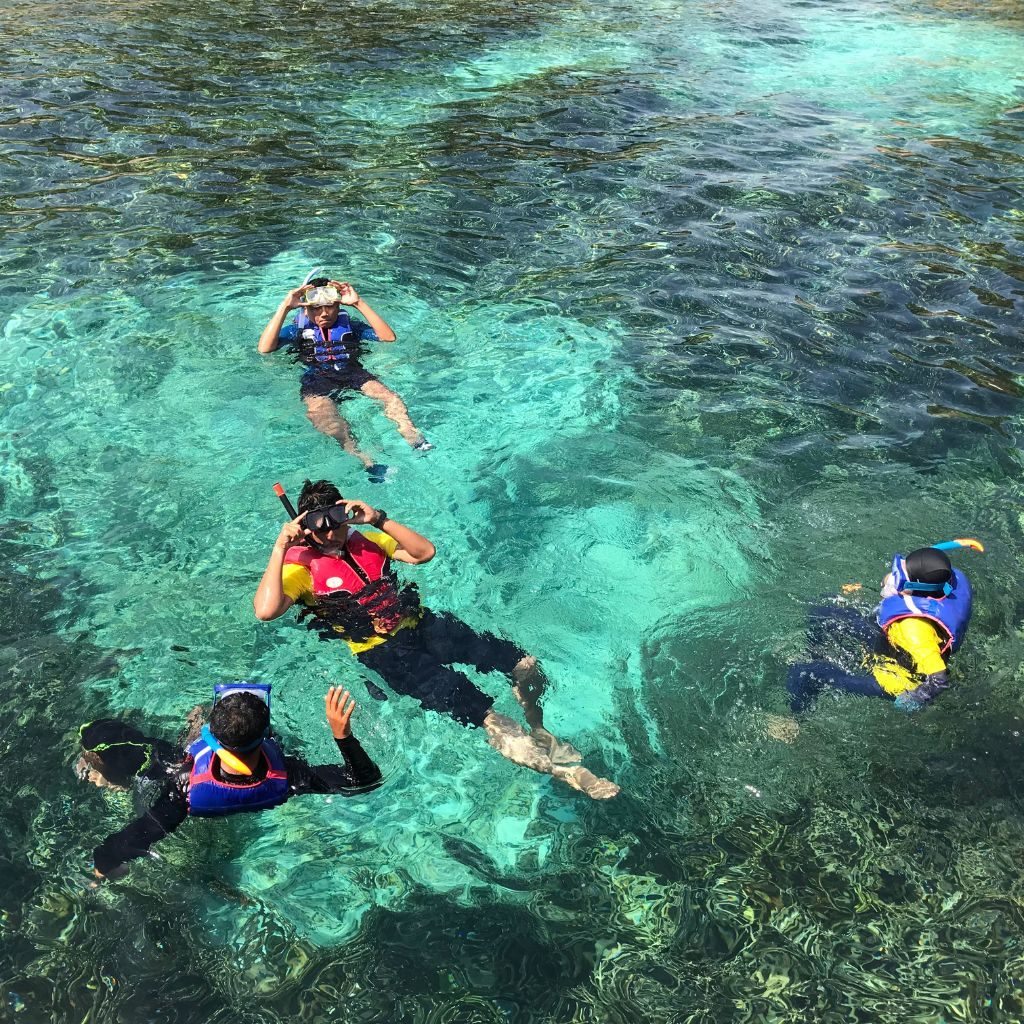
Paradise Island
Shallow reeflets and sand patches off the north shore are weather-dependent; most snorkeling here is best by boat. Expect schools of yellowtail snapper, blue tang, and occasional barracuda gliding the perimeter.
Exumas
Thunderball Grotto (Staniel Cay): A bucket-list snorkel—go at slack tide for easy entry and cinematic sunbeams through the ceiling.
Norman’s Cay DC-3: The partially submerged aircraft is shallow enough for confident snorkelers; watch for surge and boat traffic.
Moriah Harbour Cay National Park: Sand-flat serenity with rays and juvenile fish; gentle on windy days when protected.
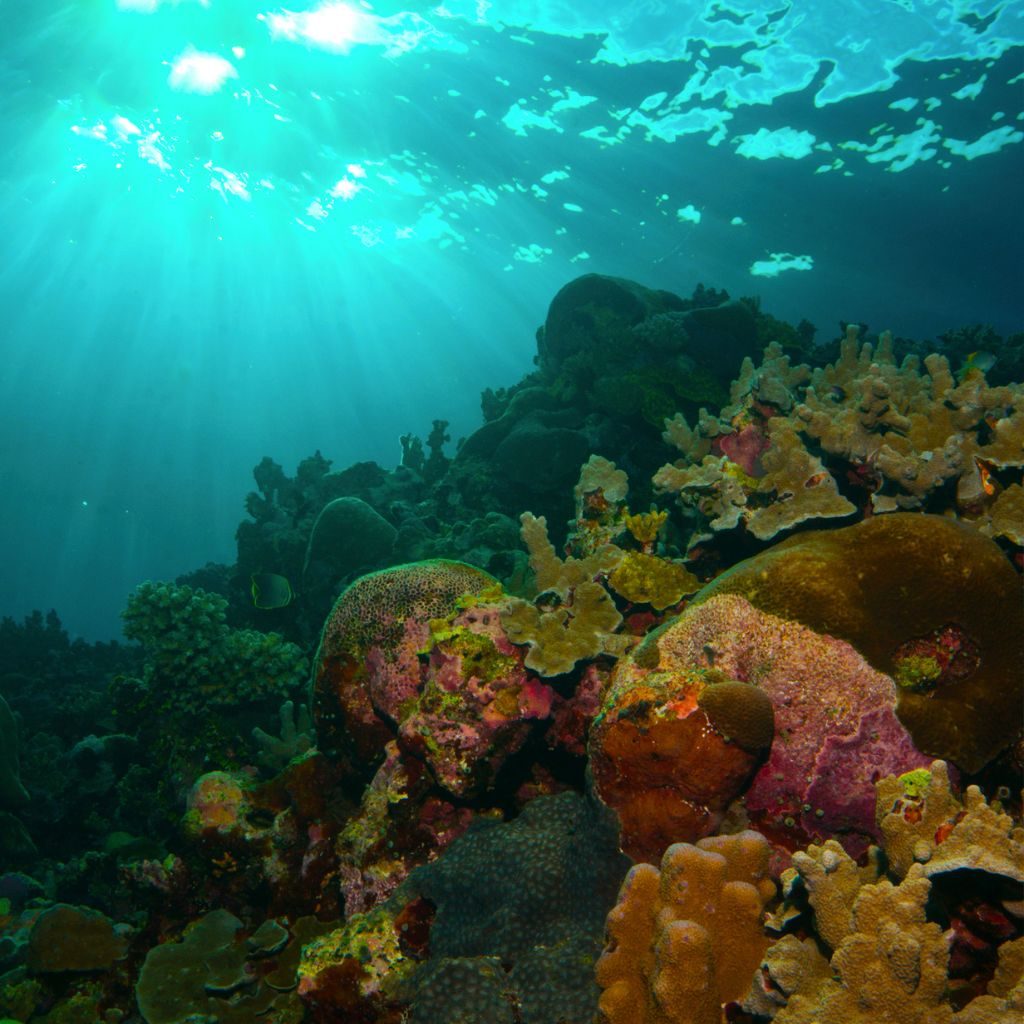
Abaco
Mermaid Reef (Marsh Harbour): Family-friendly, shallow, and teeming—perfect intro reef.
Fowl Cays National Park: Patch reefs with finger coral and sponges; charter or join a local boat for best access.
Grand Bahama
Deadman’s Reef (Paradise Cove): One of the easier beach entries in the Bahamas; follow markers to coral heads.
Peterson Cay National Park: A tiny offshore cay with surrounding coral—use a licensed operator and check currents.
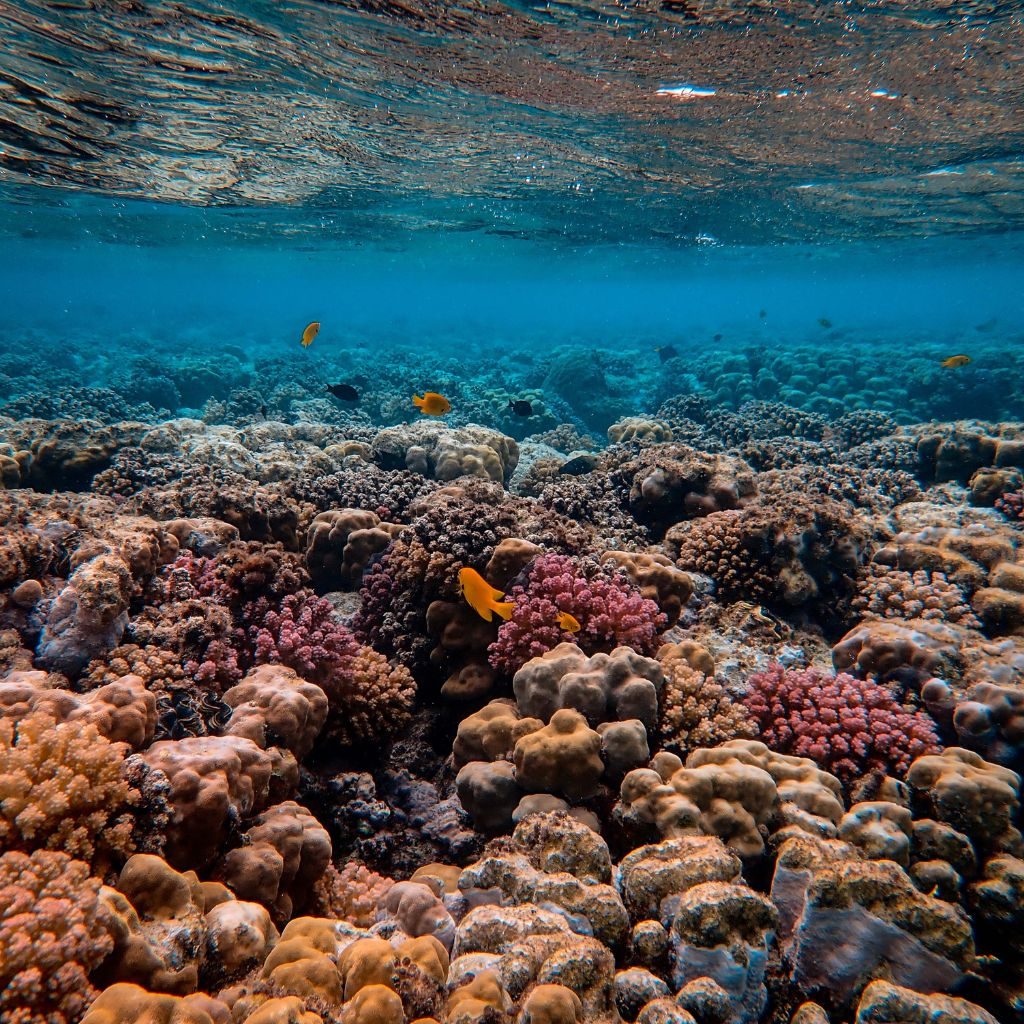
Eleuthera & Harbour Island
Devil’s Backbone: Legendary reef line protecting Harbour Island—snorkel by boat with a local captain; navigational hazards make guides essential.
Current Cut (for strong swimmers at slack): When timing is right, the channel turns into a natural conveyor belt over beautiful substrate; best with an experienced guide and float support.
Andros
Fringing reefs off Small Hope Bay are classic, low-stress snorkels with sea fans and grazing parrotfish. When seas cooperate, boat trips reach outer patch reefs with dazzling clarity.
Bimini
SS Sapona: The photogenic concrete freighter is shallow and often calm; look for schooling silversides and shafts of light.
Bimini Road: Shallow blocks and swim-throughs; pair it with a stingray stop at Gun Cay/Honeymoon Harbour.
Long Island / Cat Island / San Salvador / Berry Islands (Select Out-Islands)
- Long Island: Gentle snorkels near protected coves; bring a guide if swell is up.
- Cat Island: Quiet, clear reefs with fewer boats—ideal for travelers who like space.
- San Salvador: Shoreline coral gardens with excellent visibility, especially leeward.
- Berry Islands: Light-traffic patch reefs with shallow bommies—book a local boat for best site selection.
Good to know: Out-islands shine when you prioritize calm, sunny mornings. Winds decide your day—ask about tucked-away coves.
Signature Scuba Themes (Plan by Experience)
Reef Walls & Drifts
The Bahamian banks tumble into deep blue along the Tongue of the Ocean, especially near Andros. Expect sheer drop-offs, gorgonian forests, and schooling horse-eye jacks cruising the edge. Drift planning, SMB use, and buddy awareness matter here.
Shark Encounters (Guided & Advanced)
- Nassau reef shark experiences: Operator-led, controlled, and surprisingly composed underwater.
- Tiger Beach (Grand Bahama): Famous for photo-friendly tiger sharks in gin-clear, shallow sand; advanced only, with experienced operators.
- Bimini great hammerheads (seasonal): Winter windows; big-animal magic with strict protocols and patient surface intervals.
Reality check: Sharks here are regulated by experienced teams; listen to briefings, keep hands close, and maintain composure.
Blue Holes & Caverns
- Dean’s Blue Hole (Long Island): Shore-accessible sinkhole with vertical drama; excellent for trained divers on conservative profiles.
- Andros blue holes: Complex systems—technical training and local guides required. Even outside cave zones, overhead environments demand discipline.
Wrecks & Artificial Reefs
- Nassau: James Bond movie wrecks and Ray of Hope (a favorite for both reef life and structure).
- Grand Bahama: Theo’s Wreck draws photographers to sponge-coated railings and dramatic swim-throughs.
- Exuma: Norman’s Cay DC-3 offers shallow exploration in good conditions.
The Nassau Hub: Easy Logistics, Big Payoff
For many travelers, Nassau is the smoothest place to base a mixed group: easy flights, a wide range of day boats, and an underwater menu that can bundle shallow reef snorkels, sculpture garden sessions, and reef shark dives into one long weekend.
Sample 2-day combo:
- Day 1 (AM): Clifton sculpture garden + nearby reef.
- Day 1 (PM): Two-tank reef dive on gentle sites or a sunset snorkel around Rose Island.
- Day 2: Shark dive (advanced snorkeling is usually not part of this), then a relaxed afternoon reef or a slow drift, conditions permitting.
If you’re ready to secure a seat on the right boat for your dates, I generally tell readers to book your Nassau snorkeling and scuba day early so wind shifts don’t wipe out limited spots with the reputable outfits. On calmer days, a sail-powered reef day can be the most relaxing option of the trip; if that appeals, many guests simply book a Nassau sailing and snorkel boat tour to combine reef time with an easygoing cruise.
Bonus tip: Ask about half-day vs. full-day schedules. Full days often hit two very different reefs (or a reef + sculpture combo), which is perfect for mixed-experience groups.
Bimini for Wrecks & Hammerheads (Seasonal Thrill)
Bimini is a different flavor—closer to Florida, infused with Gulf Stream energy, and famous for winter great hammerhead dives. On calm days, the snorkel slate shines: SS Sapona’s shallow photogenic angles, rays at Gun Cay/Honeymoon Harbour, and mellow reef stops that balance out the big-animal buzz.
When you’re set on Bimini’s signature mix, consider the small-group boats that focus on safety briefings and in-water positioning. Winter fronts can reshuffle plans; confirm flexibility at booking. If you’re ready to lock it in, travelers often reserve Bimini snorkeling and scuba trips months ahead for prime hammerhead windows.
Good question: Can beginners dive with hammerheads?
Answer: I advise new divers to build hours first. Hammerhead days are controlled but can be intense; snorkeling alternatives and easy reefs make great companions for newer swimmers.
Liveaboard Loops vs. Day-Boat Days
If your dream is a “greatest hits” week—walls, remote reefs, and a few marquee wrecks—liveaboards are hard to beat. Typical routes include Exumas + Eleuthera or Bimini + Grand Bahama, with 3–4 dives per day and flexible site picks when wind shifts.
Liveaboard pros:
- Maximize in-water time and reach farther sites.
- Photography-friendly schedules and night dives.
- Fewer logistics once you’re aboard.
Liveaboard cons:
- Limited topside freedom; crossings can be rough.
- Higher cost; tight cabins and charging space.
Day-boat pros:
- Budget-friendly, easy for families.
- You can cherry-pick calmer days.
- More time for topside exploring.
Day-boat cons
- Less bottom time; remote sites often out of range.
- Weather cancels hit harder; daily gear hauling.
If you want to build a multi-island plan without committing to a boat week, I’ve laid out sample routes in our island-hopping guide for Bahamas so you can pace snorkeling days, travel hops, and key dive sites without rushing.
Responsible Wildlife & Reef Etiquette (Quick Wins)
The Bahamas’ reefs are resilient, but they need our help.
- No-touch, no-feed: Hands off coral, turtles, rays—always. Feeding wildlife alters behavior and can lead to injuries.
- Buoyancy awareness: Practice away from coral heads; keep fins up and slow your kick.
- Reef-safe sunscreen: Mineral formulas (non-nano zinc) and sun shirts reduce chemical loads.
- Stay with your guide: Briefings cover surge, currents, and boat lanes; the ocean changes hour by hour.
- Photography etiquette: Don’t block others or corner animals for the shot.
Did you know? Soft corals like sea fans are living animals—brushing them with a fin can tear tissue and invite disease. Small choices add up.
Safety, Medical & Insurance Essentials
Diving and snorkeling stay remarkably safe when you keep it conservative and listen to briefings. I plan profiles well within my training, carry an SMB for drifts, and treat weather calls as non-negotiable.
- Briefings that matter: Entry/exit types, current lines, maximum depths, turn pressures, and lost-buddy procedures.
- Depth & no-fly: Respect your computer and leave time before flights (I personally prefer 24 hours after multiple dives).
- Buddy discipline: Pre-dive checks, clear signals, and a slow ascent with a safety stop.
- Oxygen & comms: Operators should carry O2 and radio/phone; don’t be shy about asking.
- Medical planning: Note the nearest chamber and your coverage details.
If you’re sorting logistics now, I’ve bundled my go-to resources on essential notes on health, safety, and travel insurance so you can sanity-check coverage, evacuation, and trip interruption specifics before you go.
Gear & Operator Playbook (Rent, Bring, or Buy There?)
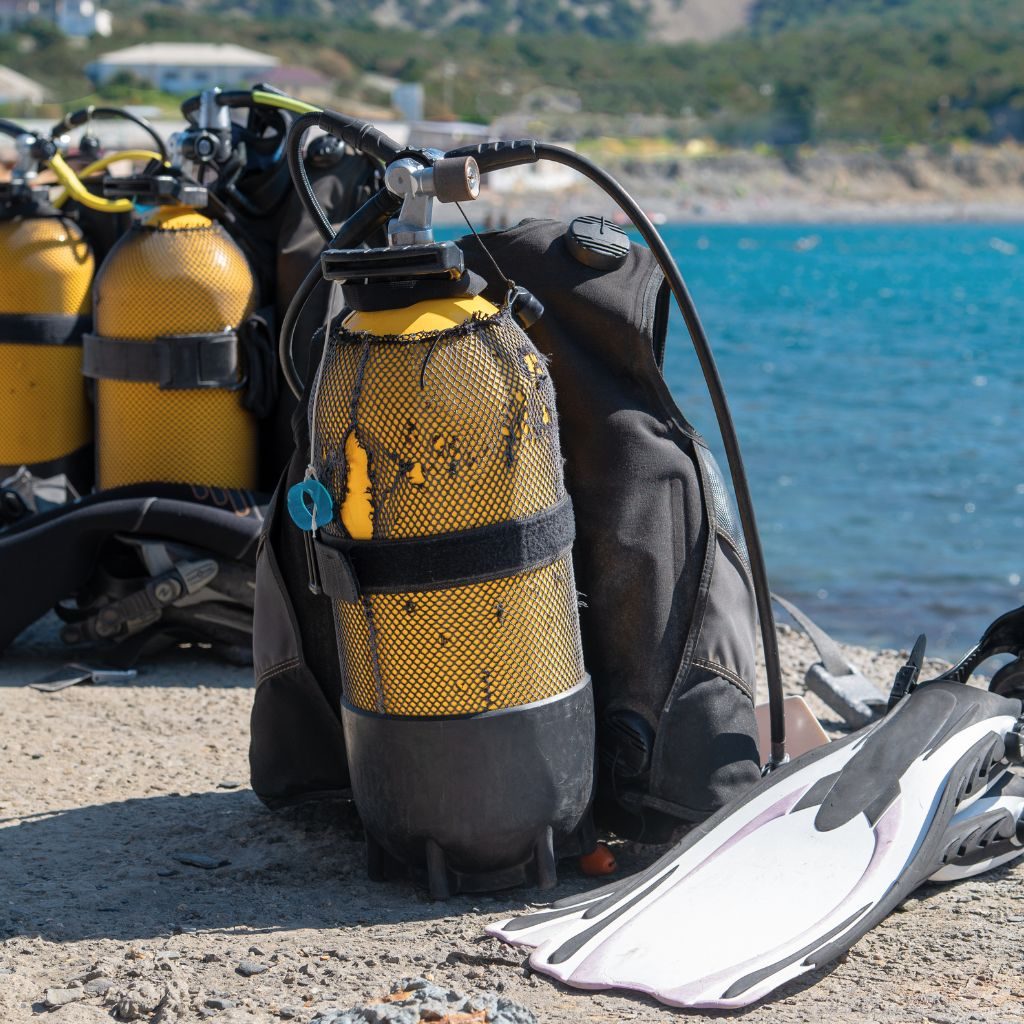
I’m picky about what I bring vs. rent. A mask that seals to your face and a computer you know by feel are worth their weight in gold. Regulators? I often bring mine for multi-day dive trips; for snorkel-only vacations, high-quality rentals are easy to secure.
What I pack without fail:
- For everyone: Well-fitted mask/snorkel, fins you’ve tested, rash guard, reef-safe sunscreen, and a compact dry bag.
- For divers: Computer + backup timer, spool/SMB, save-a-dive kit (o-rings, zip ties), and a small light.
- Photo/video: Red filter for shallow natural-light shots, extra batteries, desiccants for housings, microfiber cloth.
Operator vetting checklist:
- Oxygen kit & first-aid on board; crew trained for emergencies.
- Small group ratios and thorough briefings.
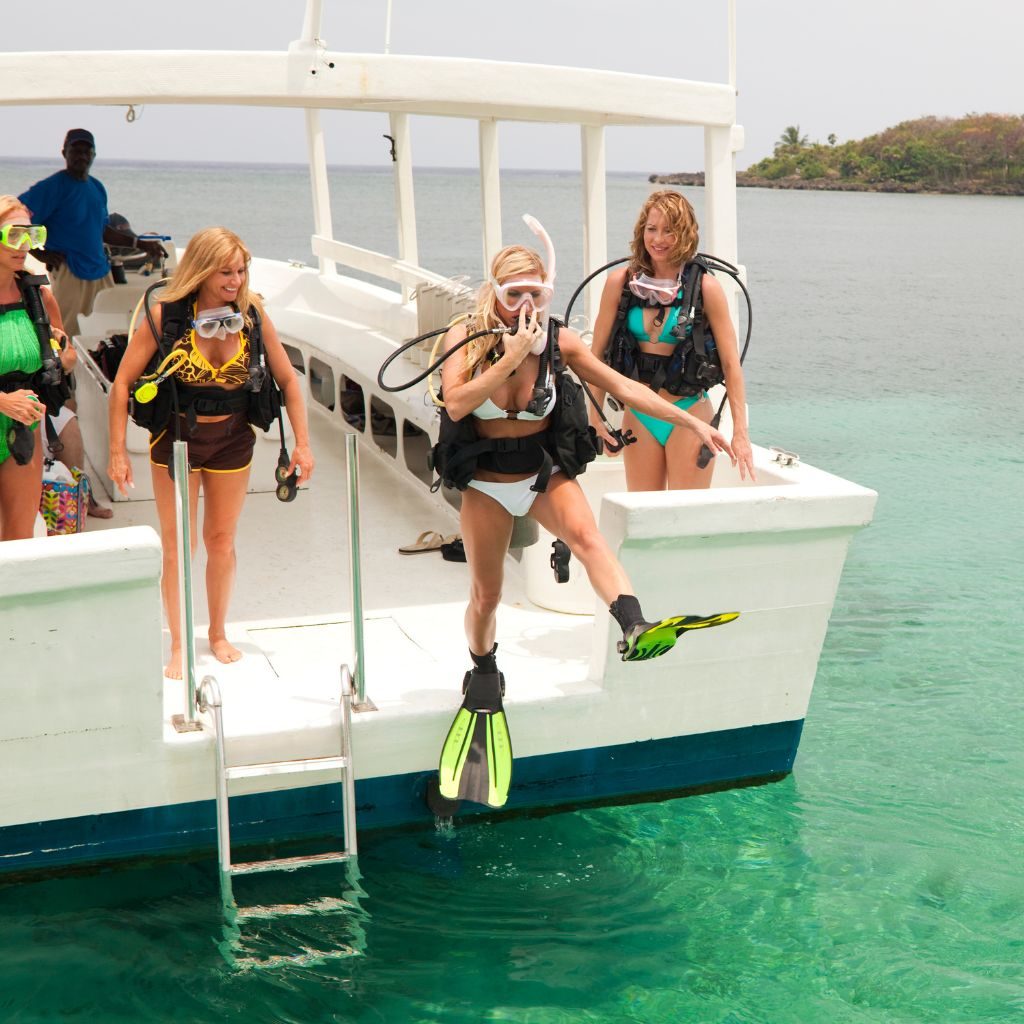
- Boat layout with shade, sturdy ladders, and camera table if you shoot.
- Transparent weather policies and realistic site calls.
Smart Packing Made Easy
Warm water simplifies wardrobes, but boat life adds quirks. Quick-dry fabrics, sun shirts, and compact layers go a long way. I carry regulators, mask, and camera in my carry-on; everything else can usually be replaced locally if bags wander.
- Soft-soled deck shoes or barefoot rules ask your operator.
- Rash guards or 2–3 mm suits: Winter and deeper dives feel cooler; summer snorkels usually need just a top.
- Sun strategy: Wide-brim hat, mineral sunscreen, lip balm with SPF, and a lightweight cover-up between swims.
- Boat bag setup: Dry bag inside a larger tote, small mesh bag for dripping gear, labeled clips for fins.
When you’re organizing your suitcase, I’ll point you to packing list and dress guidelines so you can tick off Bahamian boat norms (barefoot decks, secure straps) and avoid over-packing.
When to Go (and When to Pivot)
There’s no bad time underwater here, but preferences vary.
- Best calm-sea odds: Late spring through early summer often brings glassy mornings.
- Clear winter air: Visibility pops in cooler months; bring a light layer for surface intervals.
- Shoulder seasons: Great value and warm water—just be flexible with backup sites.
If wind bumps the sea state, pivot to protected coves, mangrove creeks, or beach-entry snorkels on the lee side. And on blustery days, there’s plenty topside to explore—museums, local markets, culinary tours, or simply combing beaches you spotted from the plane. I keep a short list of more things to do across the Bahamas so no one feels stuck waiting out a front.
Accessibility, Families & First-Timers
I’ve guided plenty of “I’m not a strong swimmer” friends to memorable snorkel days by picking the right sites and boats.
For anxious swimmers:
- Choose beach-entry reefs with a sandy apron and clear exit points.
- Use snorkel vests or shorty wetsuits for buoyancy and warmth.
- Start with morning sessions (calmer water, smaller crowds).
For families with kids:
- Pick operators with kid-size masks and fins and easy ladders/platforms.
- Keep sessions short and sweet—45 minutes in, snack/water break, then reassess.
- Bring a defog solution (or baby shampoo mix) and a fun fish ID card.
For limited mobility:
- Ask about wide ladders, lower transoms, and crew assistance policies.
- Private charters can customize entry support and pace the day around energy levels.
Motion-sensitivity tip: Sit mid-ship facing the horizon. Ginger chews and acupressure bands help some; medicated patches should be discussed with a doctor ahead of travel.
Underwater Photo & Video Tips (Beginner to Intermediate)
You don’t need a cinema rig to bring home killer memories.
- Shallow reef rule: Stay close (within 1–3 ft) to reduce backscatter and use natural light; a red filter helps restore color at 10–25 ft.
- Wreck & wall basics: Add a small video light for color pop; mind your trim so you don’t silt the scene.
- Subject care: Never chase turtles or block cleaning stations.
- Buddy shots: Agree on hand signals for “photo stop” and “resume” so you don’t drift apart.
- Editing: A quick white-balance fix and gentle dehaze can transform a clip without over-processing.
Fun fact: Parrotfish “poop” sand—their grinding teeth turn coral meals into the powder-soft beaches you love. If you hear a crunching sound on the reef, that’s probably lunch.
Final Thoughts
Every time I return to the Bahamas, I find a new layer an alternate lee-side reef on a windy day, a slower current window at Current Cut, a ray cleaning station I’d never noticed. The magic is equal parts planning and patience. Book with safety-minded operators, keep your itinerary flexible, and treat the reef like a living museum you’re lucky to visit.
If you’re basing in Nassau, lock in boats early so you can mix sculpture gardens, reefs, and a shark day without rushing.
If Bimini is your siren song, build in weather buffers and get those winter hammerhead dates squared away well before the season. On the packing side, travel light but smart; on the safety side, keep profiles conservative and communication clear. Clear water, calm breaths, and a respectful approach will give you the same gift the Bahamas keeps giving me memories that pull you back, fins first.

0 Comment