
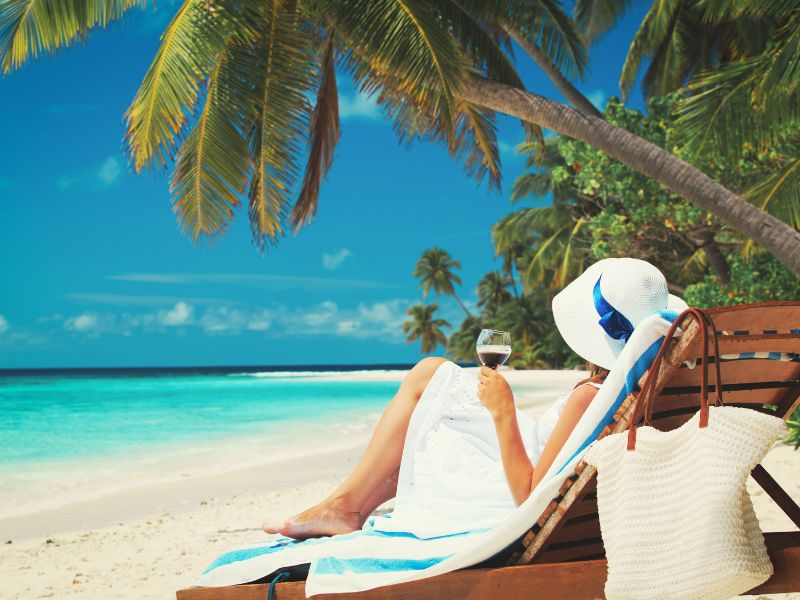

The Bahamas is the kind of place that feels like it was made for dream vacations white-sand beaches, turquoise waters, and endless sunshine. But even in paradise, things don’t always go as planned. Knowing how to stay healthy, avoid safety risks, and protect yourself with the right insurance can turn potential trip disruptions into minor inconveniences.
From understanding seasonal weather patterns to knowing where to find medical help, preparation is part of making sure your vacation is smooth and stress-free. Many seasoned travelers even choose the perfect season to visit the Bahamas based on health and safety factors, ensuring a balance between great weather and manageable crowds. I’ve learned from experience that the best memories are made when you’re confident and prepared.
Bahamas Health & Safety Landscape
Before you pack your swimsuit, it’s important to know how the Bahamas’ healthcare and safety systems work. Nassau and Freeport have well-equipped public hospitals and private clinics with English-speaking staff. However, in the Out Islands, medical facilities can be limited, and critical care may require air evacuation.
Emergency response times are generally good on major islands but slower in remote areas. That’s why knowing the nearest clinic, pharmacy, or urgent care location can save valuable time if something happens.
Travel Insurance – Your First Layer of Protection
If there’s one piece of advice I give to every traveler, it’s this: never skip travel insurance. In the Bahamas, it’s more than a formality, it’s your safety net. Comprehensive coverage should include:
- Medical expenses (including hospital stays and air ambulance evacuation)
- Trip cancellations or delays due to weather disruptions
- Lost or stolen belongings coverage
- Adventure activities coverage for things like scuba diving or boating
During hurricane season, policies that cover weather-related disruptions can make the difference between losing your entire vacation investment and getting a full refund.
Medical Preparation Before You Fly
Although no vaccinations are required to enter the Bahamas, the CDC recommends being up-to-date on routine vaccines like measles, mumps, rubella, and tetanus. Hepatitis A and typhoid vaccines are also worth considering if you plan to eat local street food.
Prescription medications:
- Bring enough for your entire stay plus a few extra days
- Keep them in their original labeled containers
- Carry a printed prescription or doctor’s note, especially for controlled substances
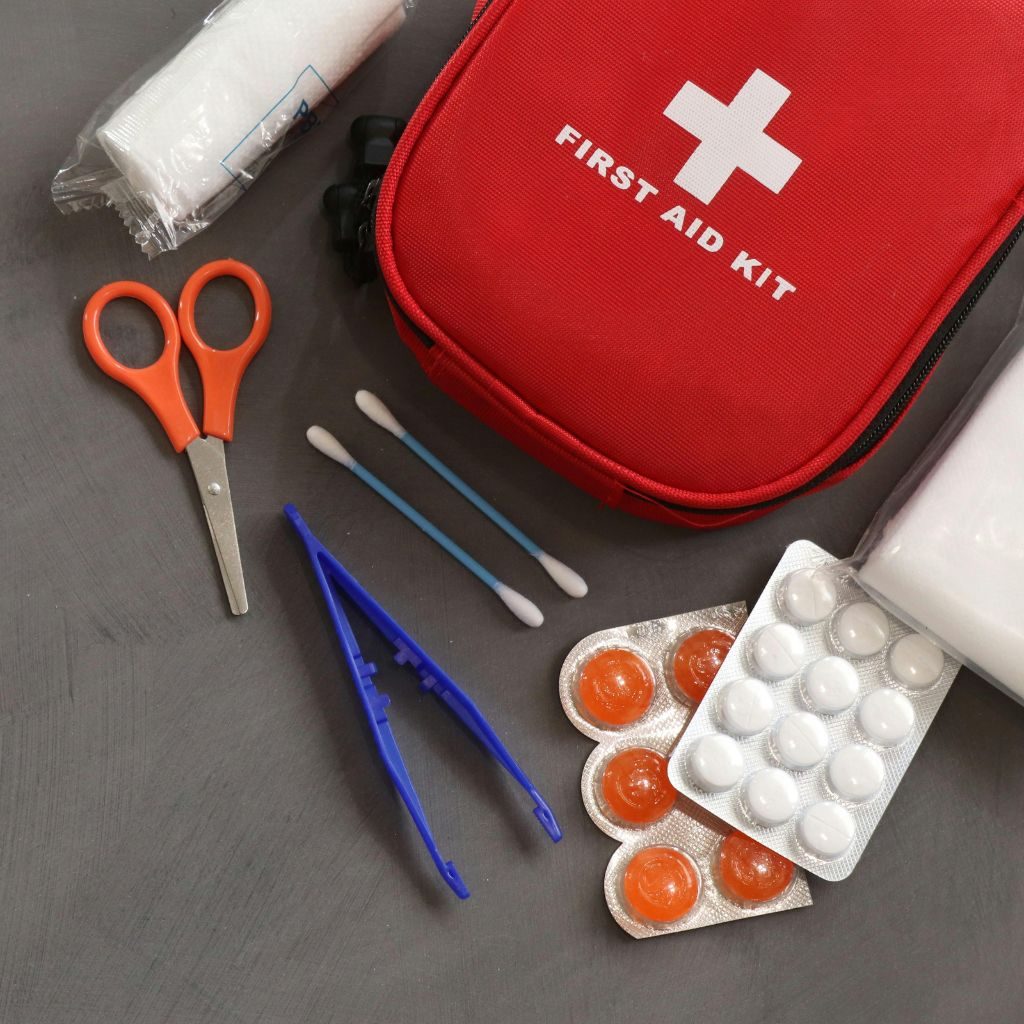
First-aid kit essentials:
- Antiseptic wipes and bandages
- Pain relievers and fever reducers
- Anti-nausea and anti-diarrheal medication
- Reef-safe sunscreen (SPF 30 or higher)
- Insect repellent with DEET or picaridin
Staying Safe in the Water – Beaches, Boating & Beyond
The Bahamas is famous for its crystal-clear waters, but that beauty can hide risks. Rip currents can be strong, even near popular beaches. Always check local weather conditions before swimming. Some areas may have jellyfish or sea urchins, so water shoes are a good idea.
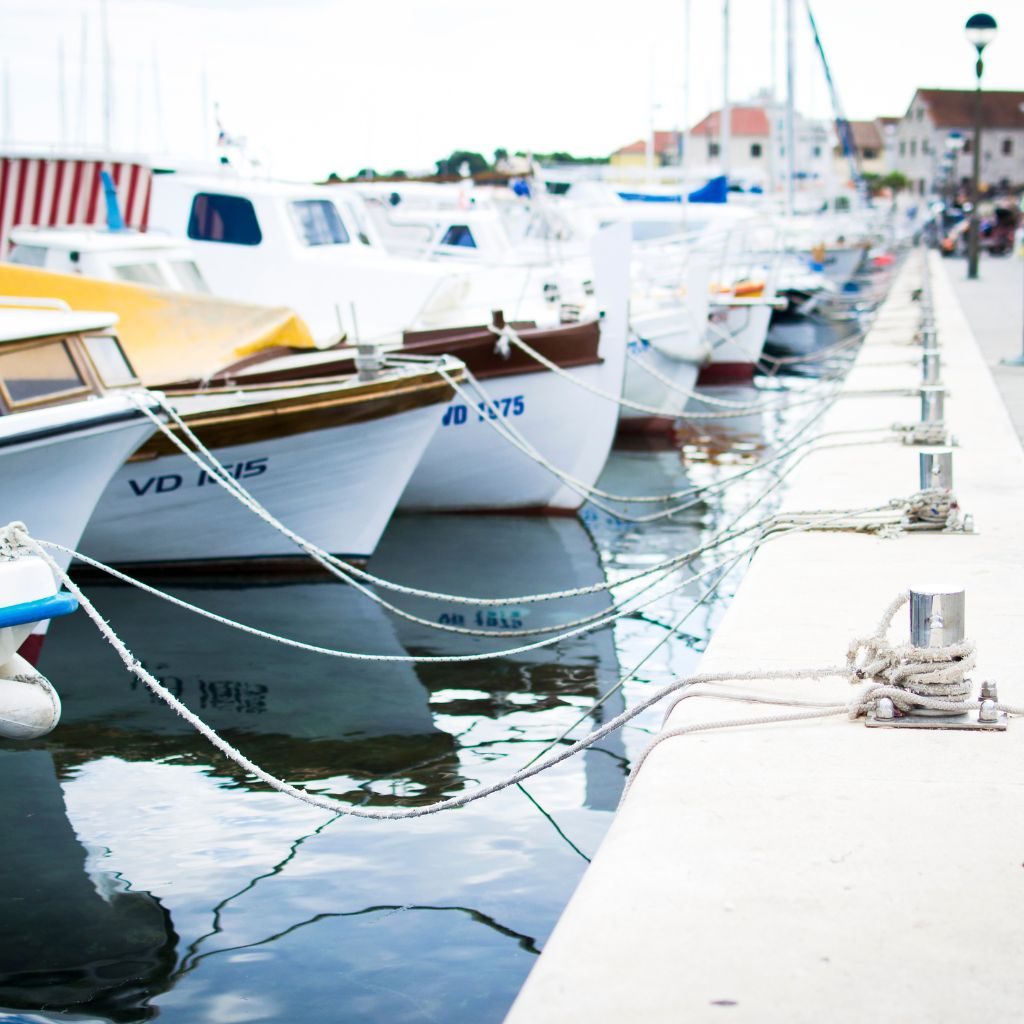
If you’re arriving by boat or planning to dock during your trip, make sure to research reputable Marinas & Yacht Clubs for safe anchorage, fueling, and local boating regulations. Life jackets are mandatory on all vessels, and local captains are experienced in navigating sudden weather changes.
Adventure Safety – Diving, Snorkeling & Watersports
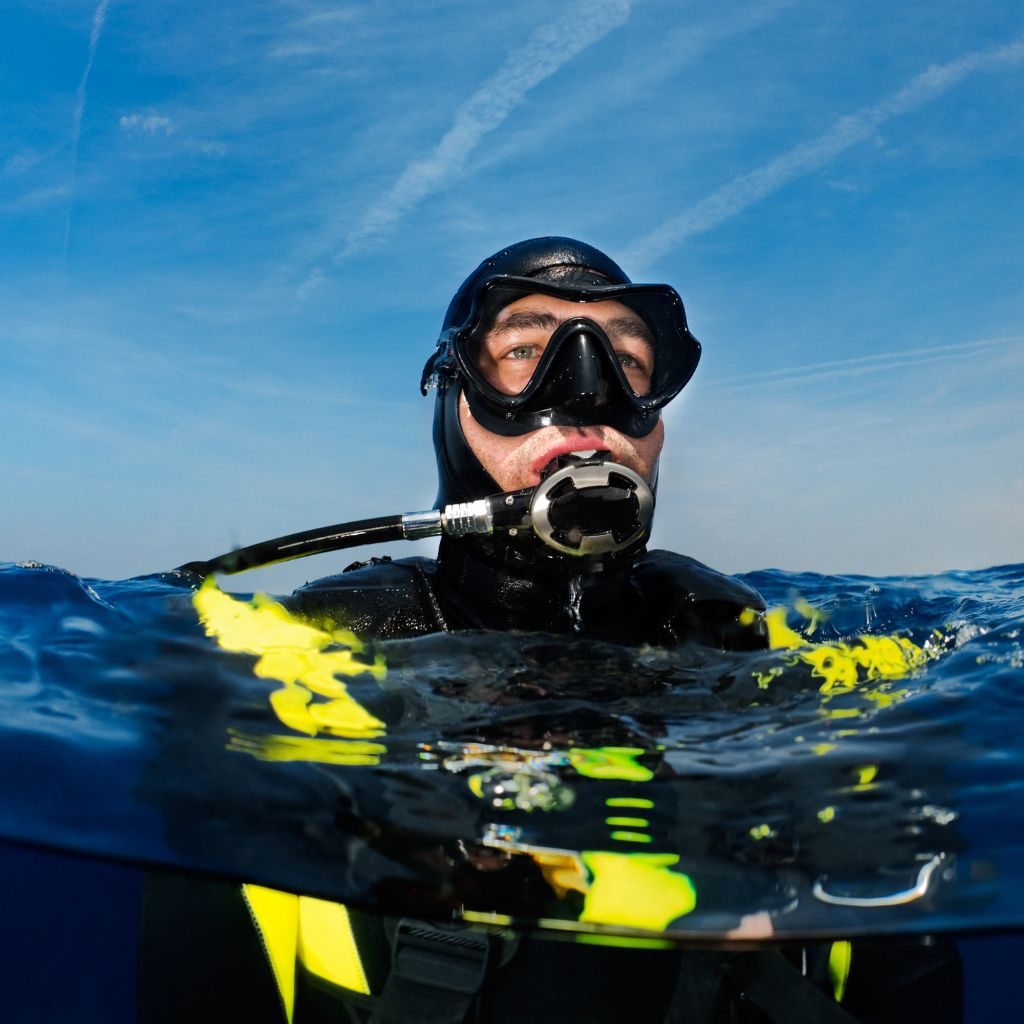
Few places rival the Bahamas for underwater adventures, but safety is key to enjoying them. Before booking, confirm that your tour operator is licensed and provides quality safety gear.
When enjoying Snorkeling & Scuba Diving in Nassau, follow the buddy system, check your oxygen tanks, and never dive without a surface support crew. Be aware of seasonal weather conditions that can impact visibility and sea currents.
If you’re new to watersports, consider taking an introductory lesson. It’s a great way to learn safety basics while building confidence.
Road & Transportation Safety in the Bahamas
Driving in the Bahamas comes with one major adjustment: vehicles travel on the left side of the road. If you’re renting a car, go slow until you get used to the traffic flow. Road conditions on major islands are generally good, but rural roads may have potholes.
Public transportation is limited to local buses (jitneys) in Nassau and Grand Bahama. Taxis are widely available but agree on the fare before starting your trip. Ferries between islands are reliable, but always check schedules in advance.
Food & Drink Safety for Visitors
Tap water is generally safe to drink in Nassau and Freeport, but in Out Islands, bottled or filtered water is recommended.
When it comes to food, stick to reputable restaurants and resorts. Street food can be delicious, but make sure it’s cooked thoroughly and served hot. Seafood lovers should avoid raw shellfish unless they know it’s from a trusted source.
Weather & Seasonal Safety Concerns
The Bahamas enjoys sunshine most of the year, but weather patterns can impact safety. The hurricane season runs from June to November, with August and September seeing the highest activity.
Traveling during this time offers low-season and shoulder-period deals, but it’s essential to monitor weather updates, have flexible plans, and consider insurance that covers weather-related cancellations.
Heat exhaustion is another concern. Drink plenty of water, wear lightweight clothing, and take breaks in the shade.
Crime & Personal Safety Awareness
While most visits to the Bahamas are trouble-free, petty theft and opportunistic crime can occur.
Safety tips:
- Avoid isolated areas at night
- Keep valuables in your hotel safe
- Stay aware in crowded areas
- Use ATMs in secure, well-lit locations
Common scams include unofficial taxi services overcharging tourists and fake tour operators. Book excursions through reputable companies or your hotel concierge.
Health & Safety for Families and Seniors
Traveling with kids or seniors in the Bahamas can be incredibly rewarding, but it does require a bit of extra planning. Choose child-friendly resorts with lifeguards, shaded play areas, and calm-water beaches. These make it easier for parents to relax without constant worry. For seniors, ensure your accommodation has easy access, elevators, and mobility-friendly pathways, especially if you plan on visiting historic sites or waterfront areas.
It’s also worth pre-booking private transfers instead of relying on shared transport, as it minimizes wait times and reduces stress for those who may need a slower pace. Consider packing lightweight strollers for toddlers or foldable walking aids for elderly travelers. And don’t forget, when buying insurance, check if it covers pre-existing conditions, includes emergency evacuation, and offers 24/7 multilingual support for peace of mind.
Emergency Contacts & Local Resources
When you’re in a new country, knowing where to turn in an emergency can save valuable time and stress. The Bahamas has clear, simple emergency numbers, and most major islands have quick-response teams. Still, having these details saved on your phone and printed in your travel documents ensures you’re prepared for anything.
Important numbers:
- Police: 919 or 911
- Ambulance: 919 or 911
- U.S. Embassy in Nassau: +1 (242) 322-1181
Urgent care centers are available in Nassau and Freeport. Many resorts have on-site medical staff or can arrange a doctor’s visit to your room.
Real Traveler Scenarios – Lessons Learned
Sometimes the best lessons come from the experiences of other travelers. These real-world scenarios show exactly how preparation and quick thinking can make a big difference in the Bahamas. By learning from them, you can avoid common pitfalls and ensure a safer, smoother trip.
- Storm Delay in Exuma: A traveler avoided losing thousands when their insurance covered an extra three days of accommodation due to ferry cancellations.
- Diving Mishap: Quick access to oxygen tanks and trained crew prevented a serious accident during a reef dive.
These real-life examples highlight why health, safety, and insurance aren’t optional — they’re essential.
Final Checklist – Health, Safety & Insurance Essentials for the Bahamas
Before zipping up your suitcase, take a moment to review the key steps that will keep you safe and protected in the Bahamas. This quick checklist covers the must-dos for health, safety, and insurance, so you can travel with confidence and focus on making unforgettable memories.
Before you go:
- Buy comprehensive travel insurance
- Pack prescription meds & first-aid kit
- Research nearest clinics/hospitals to your stay
- Book tours with licensed operators
- Check seasonal weather patterns
Conclusion
The Bahamas is one of the most beautiful places on earth, but like any destination, it rewards travelers who plan ahead. By preparing for your health, safety, and insurance needs, you can explore every island, beach, and coral reef with confidence.
When you’re well-prepared, the only surprises you’ll encounter are the breathtaking ones.

0 Comment